Mercedes Maybach Concourse d'Elegance
CONTEXT
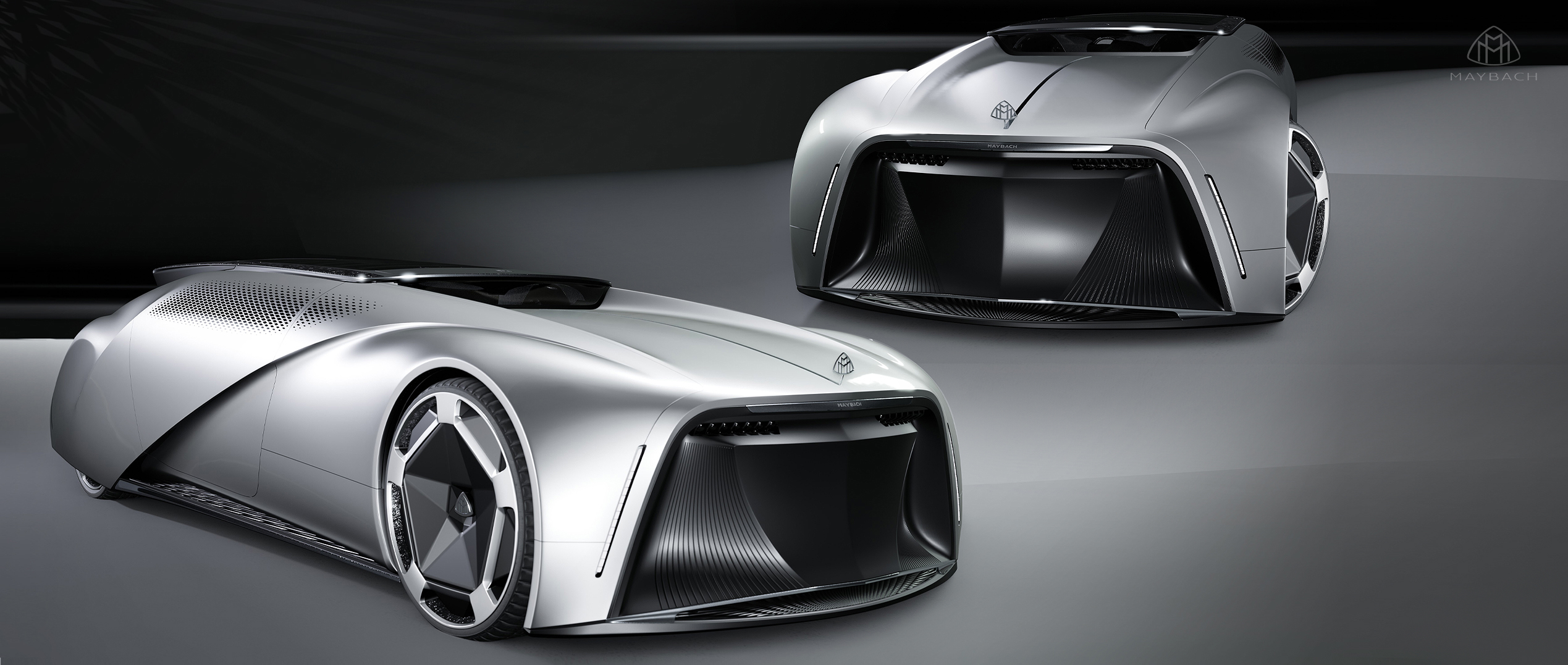
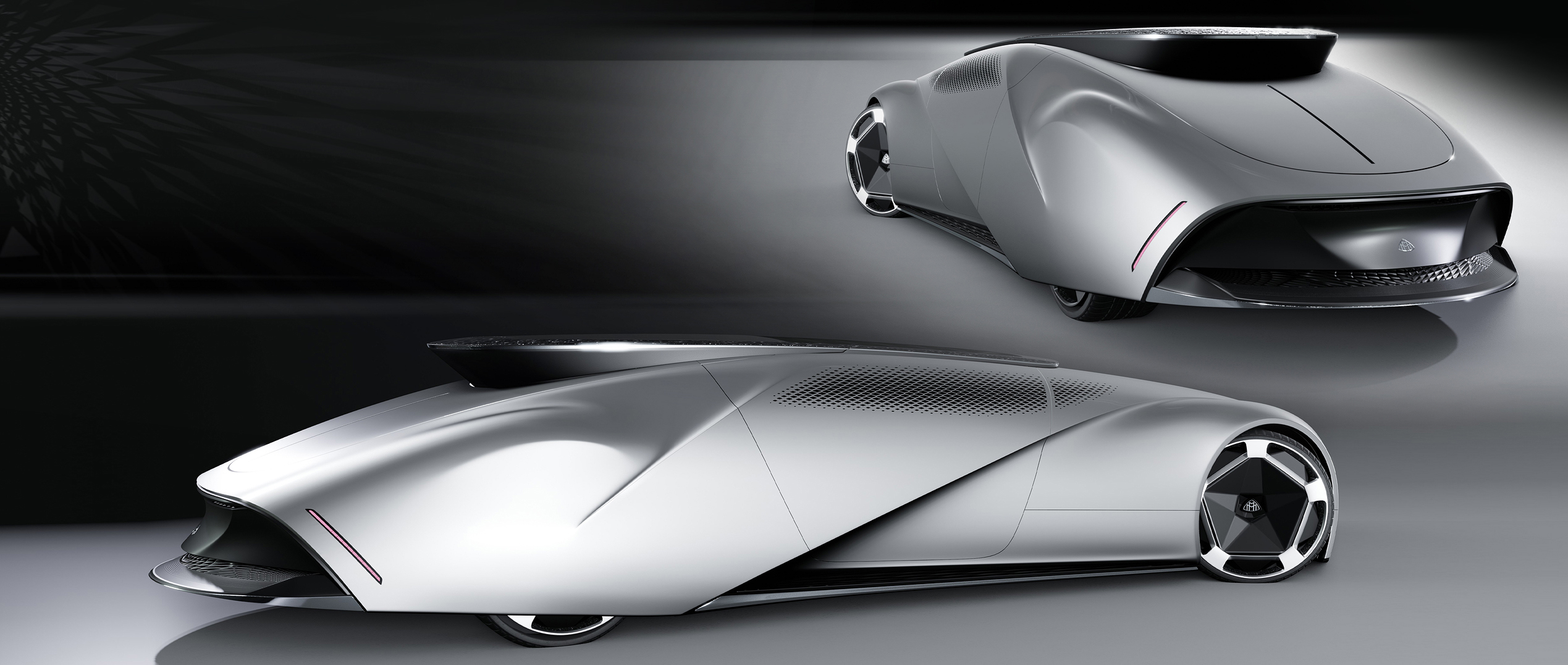
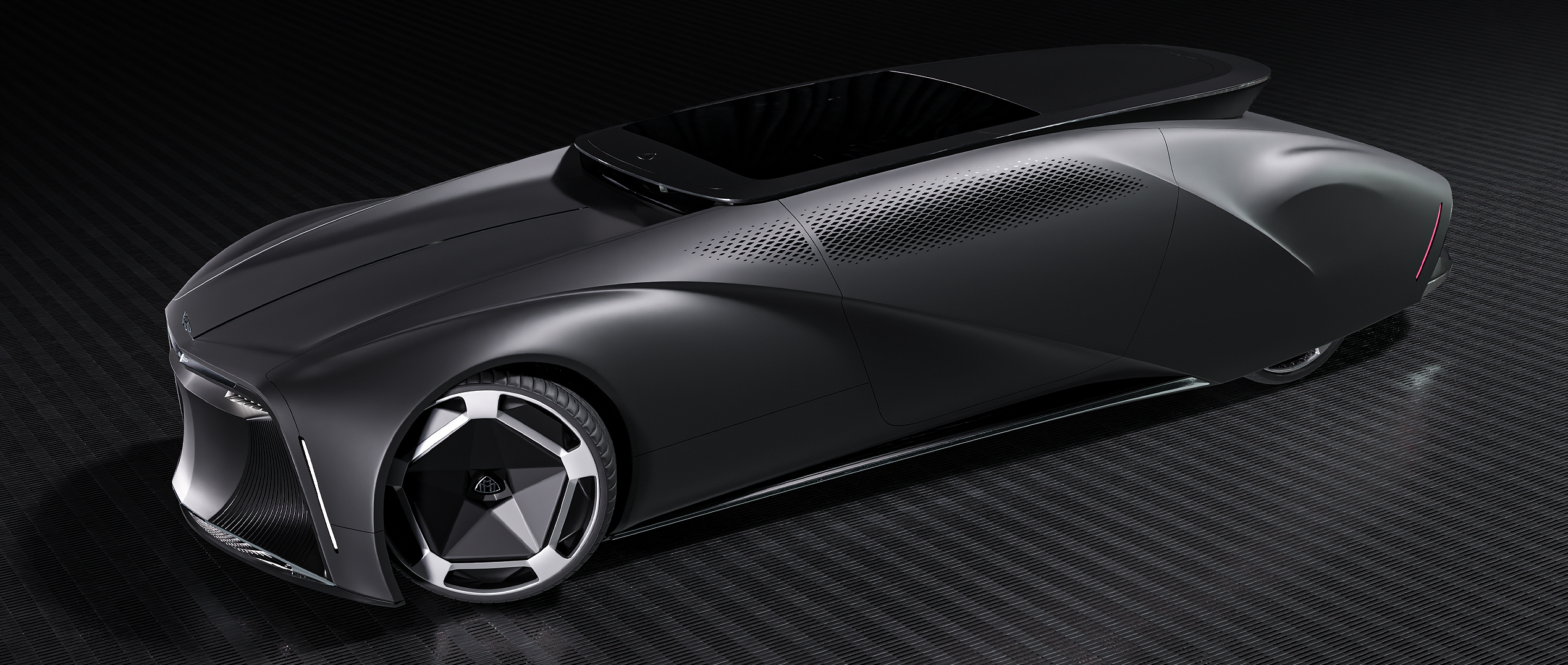
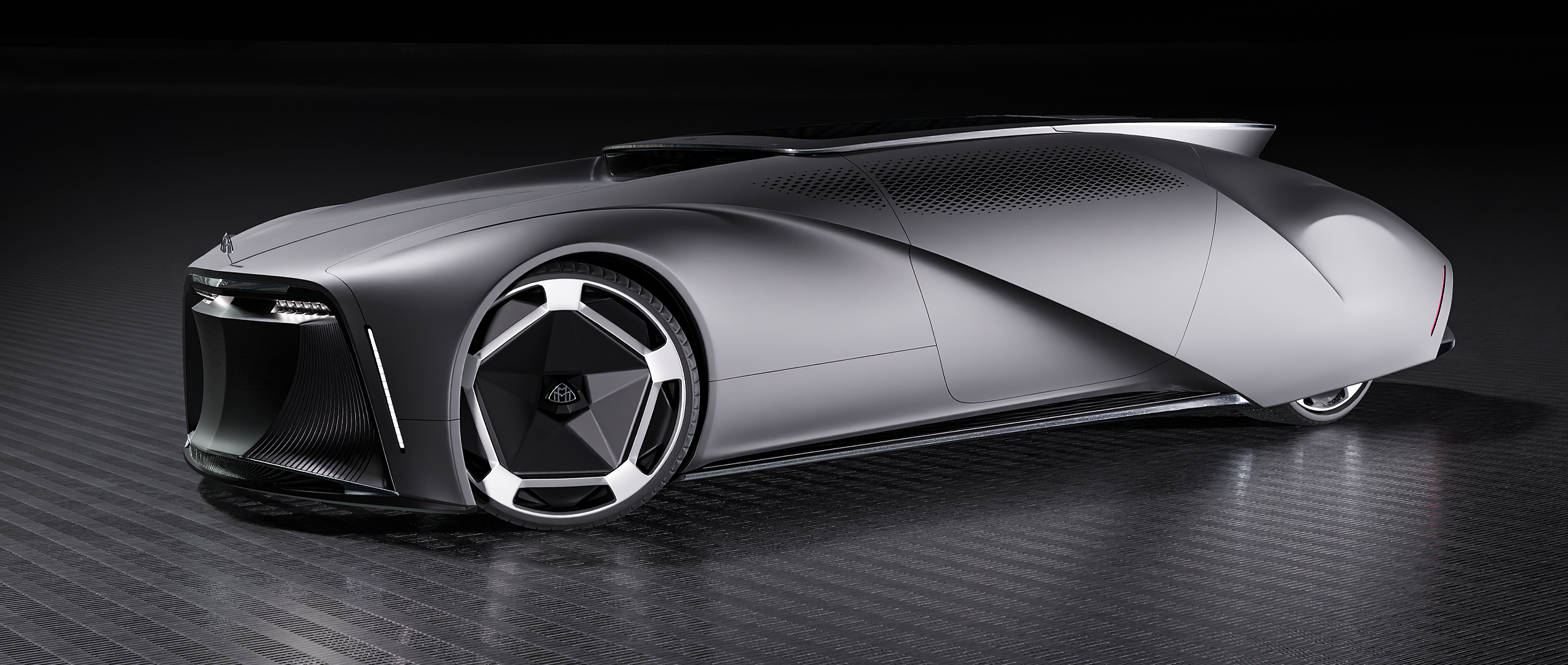
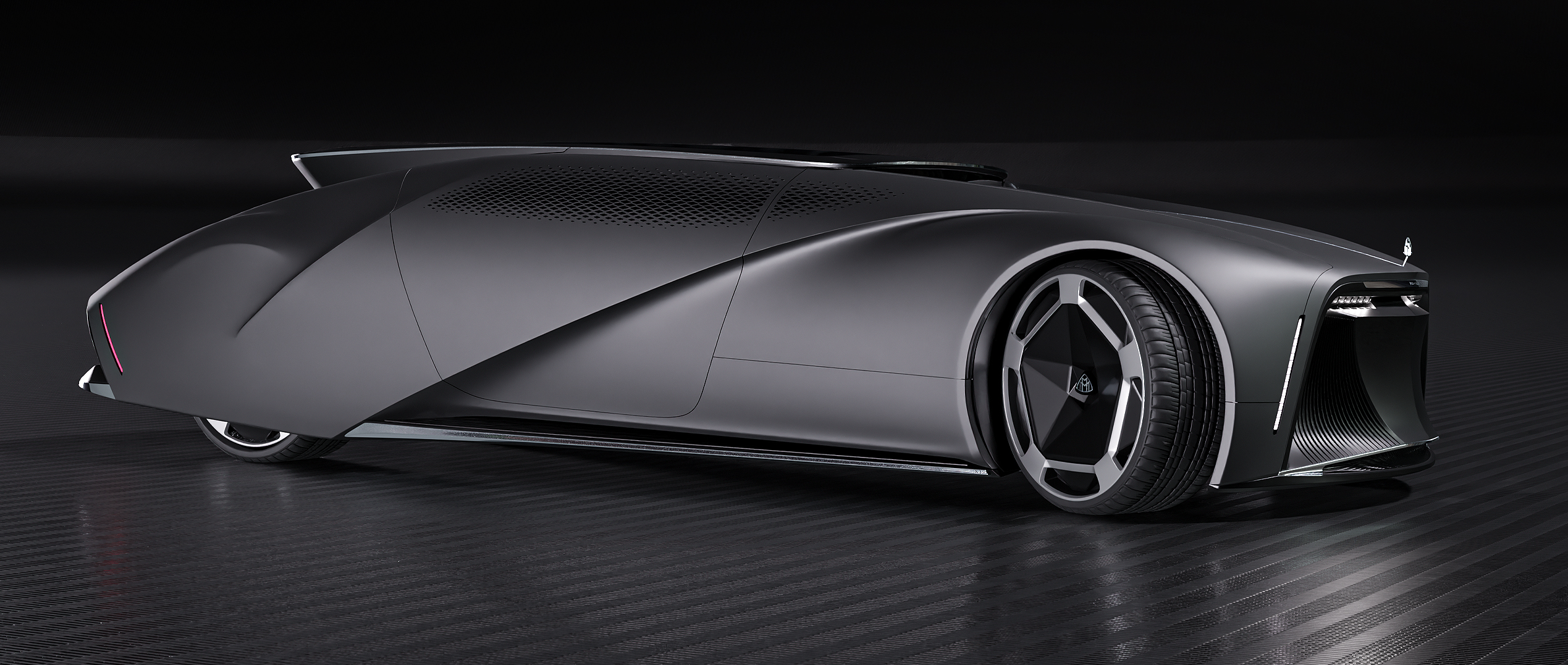
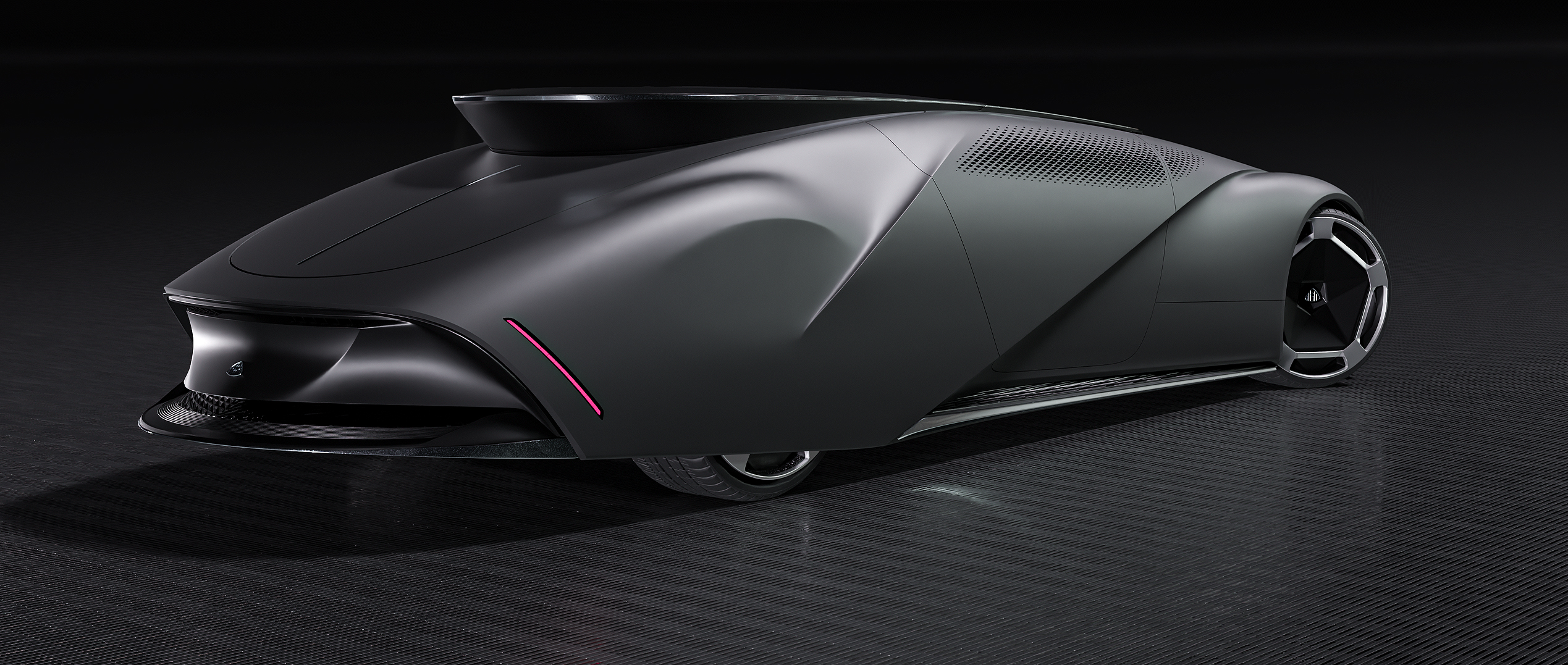
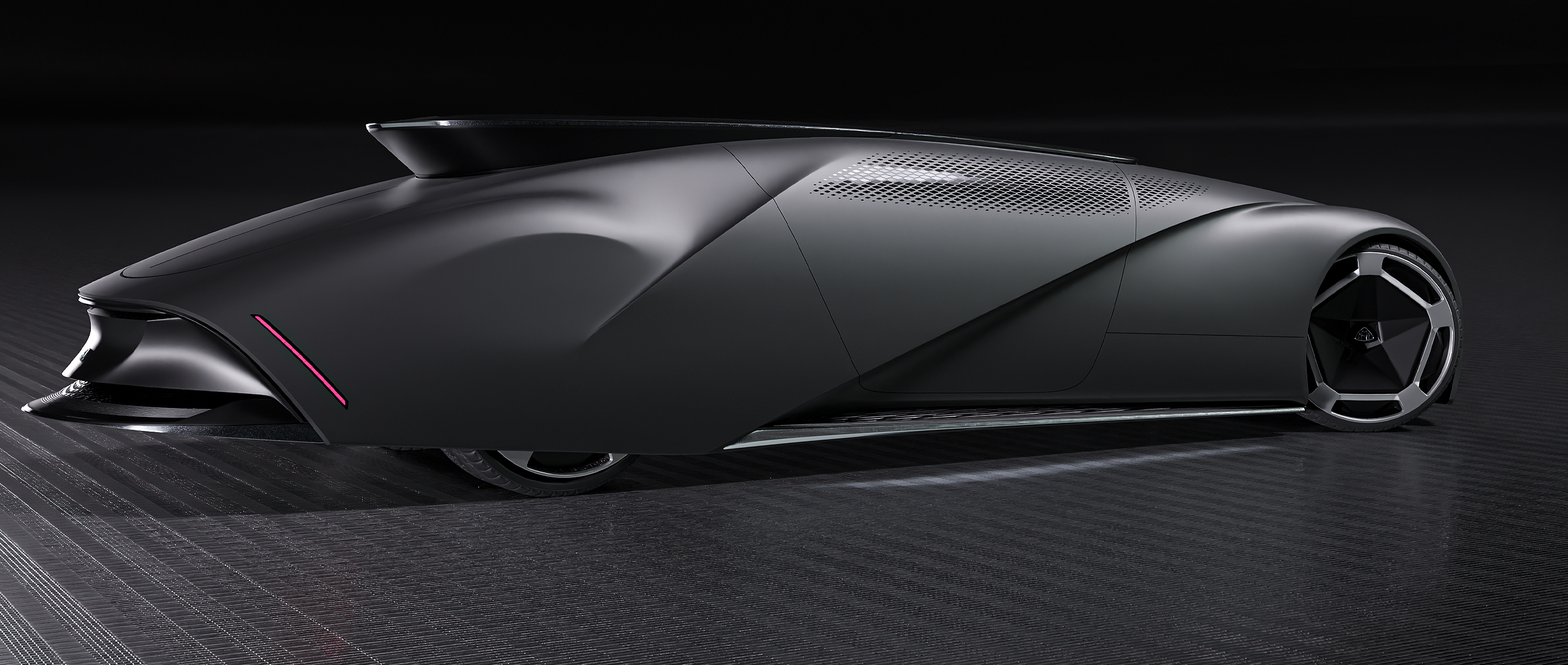
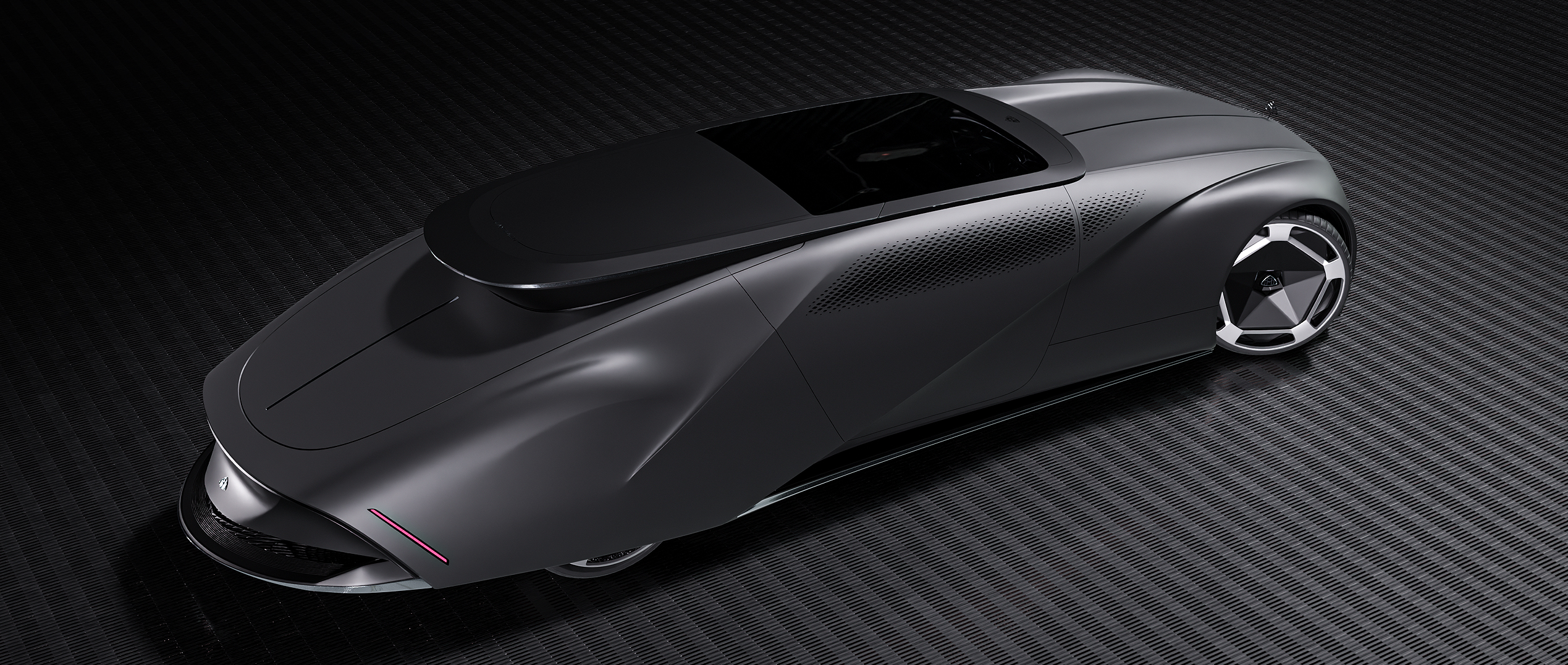
This project was developed as a six-month masters diploma project in collaboration with Mercedes-Benz, carried out within the Sindelfingen design studio. The work was created in a professional design studio environment and focused on early-stage concept development and design research.
CONSULTANTS
Robert Lešnik
Thomas Sälzle
Daniel Reist
Michael Frei
András Húfalvi
Dániel Ruppert
RELEASE DATE
2024, 2025
DESIGN BRIEF
The brief focused on developing a new future-oriented Mercedes-Benz design language inspired by contemporary art installations. In parallel with my written thesis on the use of AI tools in automotive design, I actively integrated AI into the inspiration and early-stage design processes, exploring its potential role and influence within Mercedes-Benz design development.
Concept
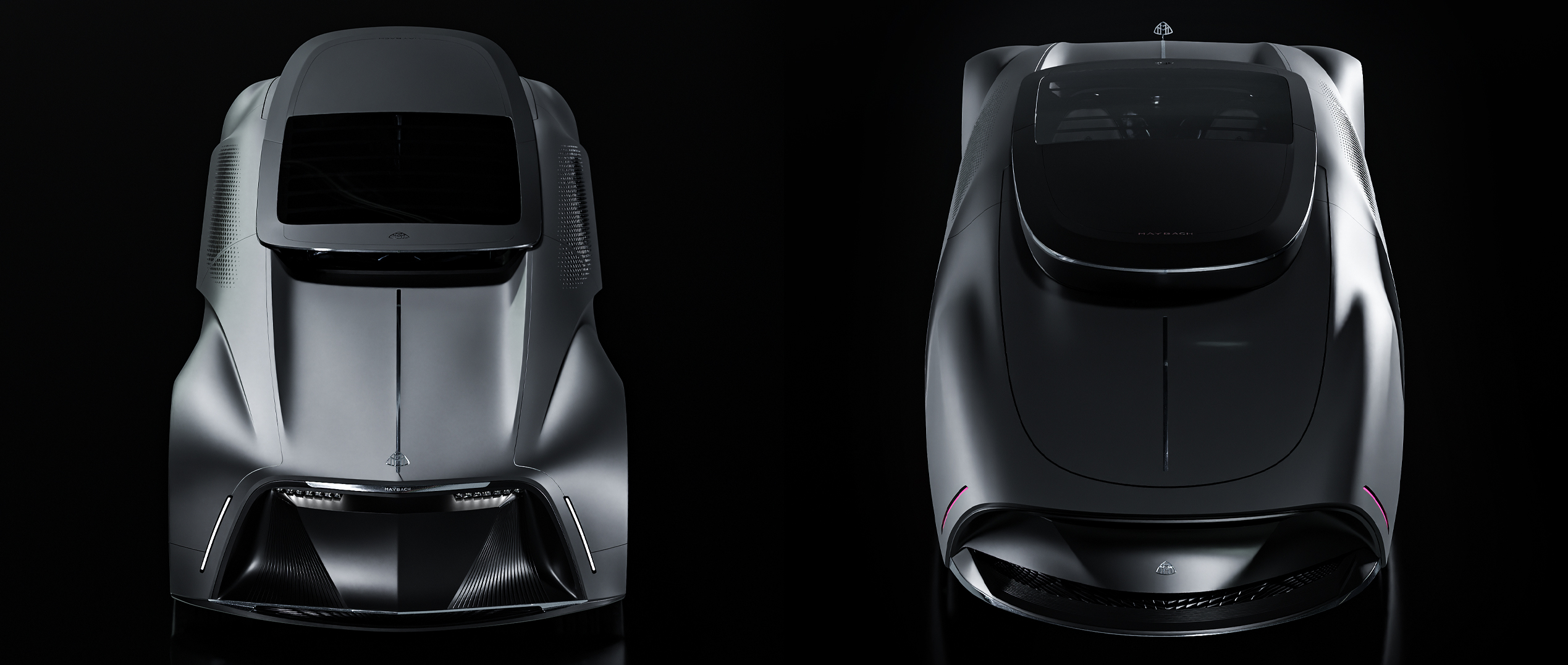
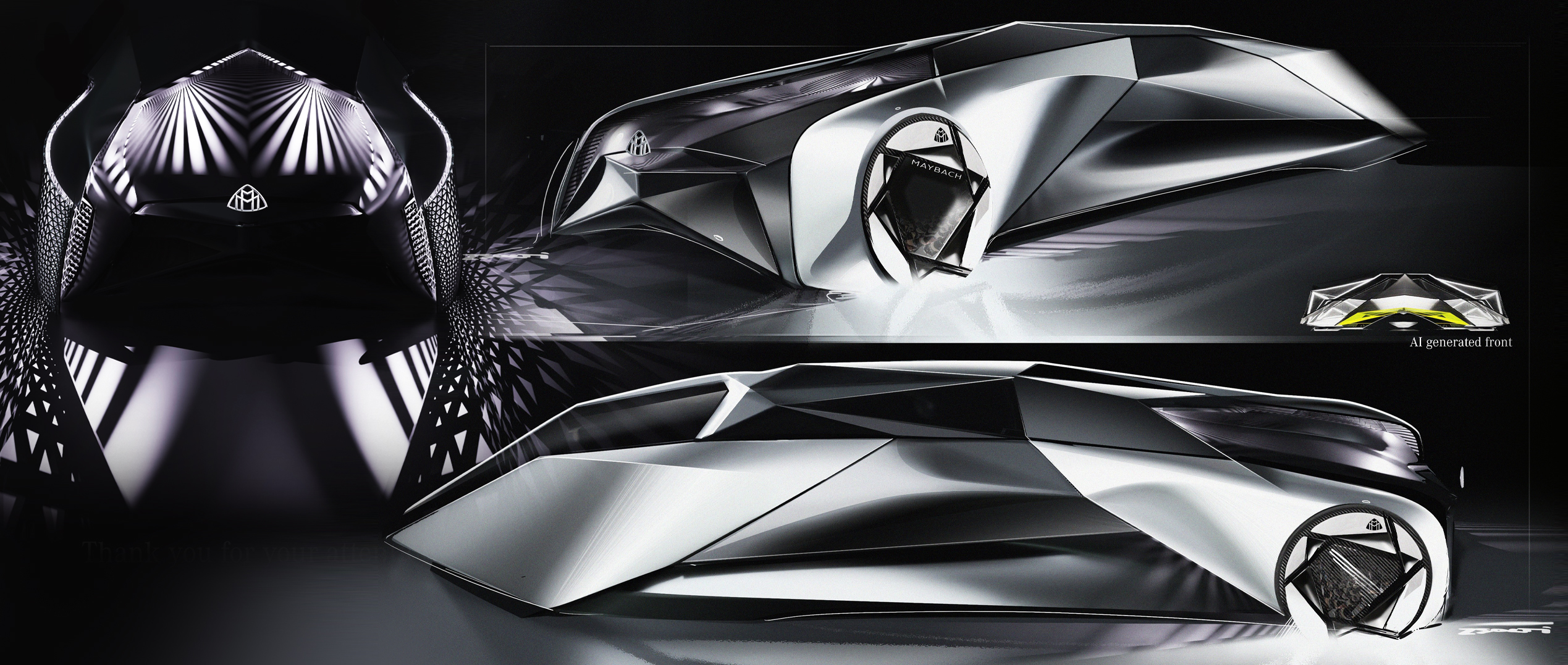
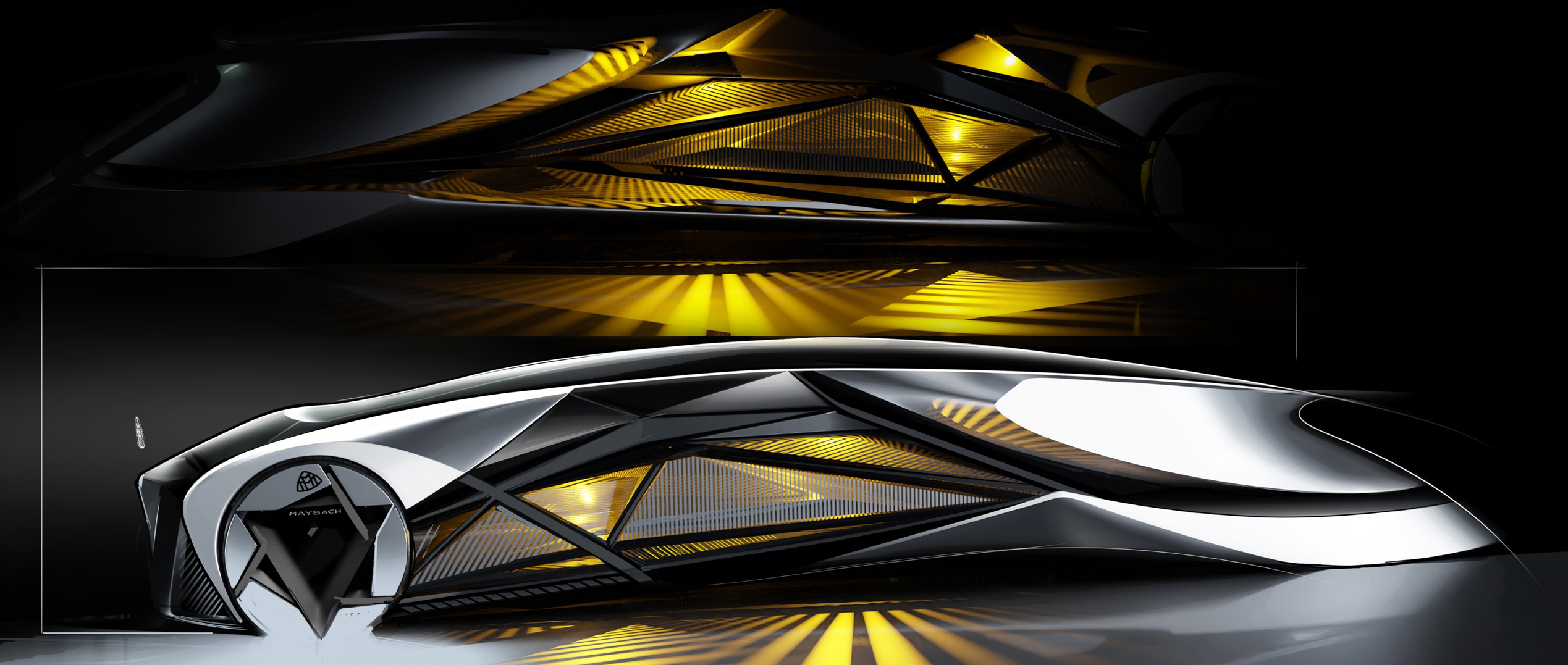
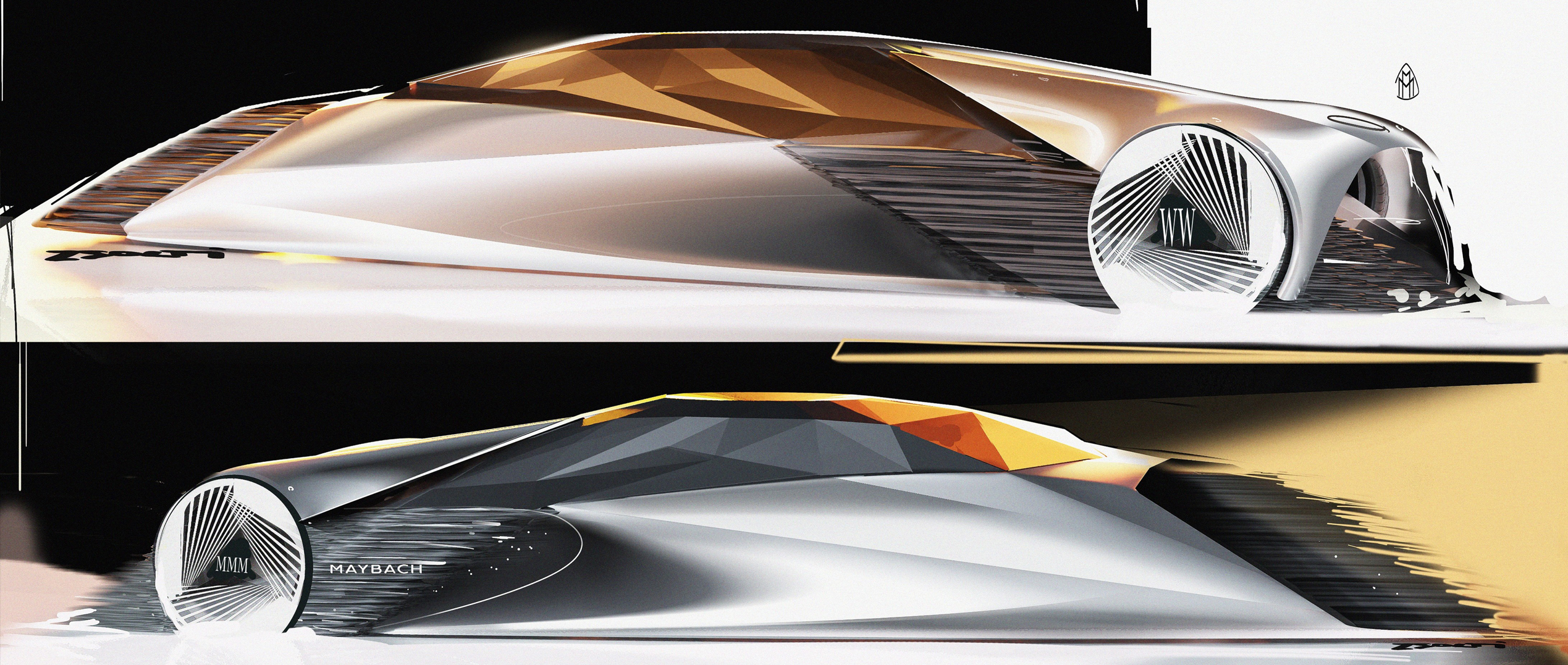
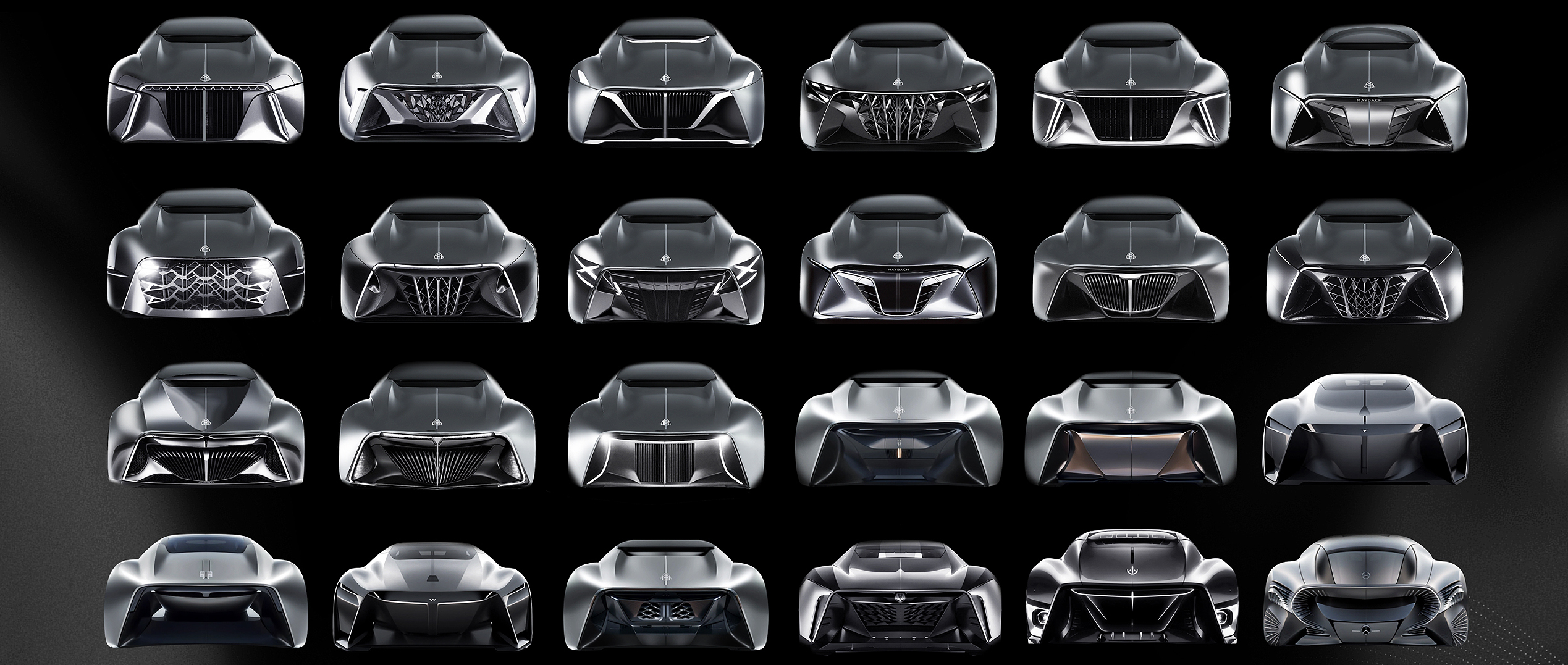
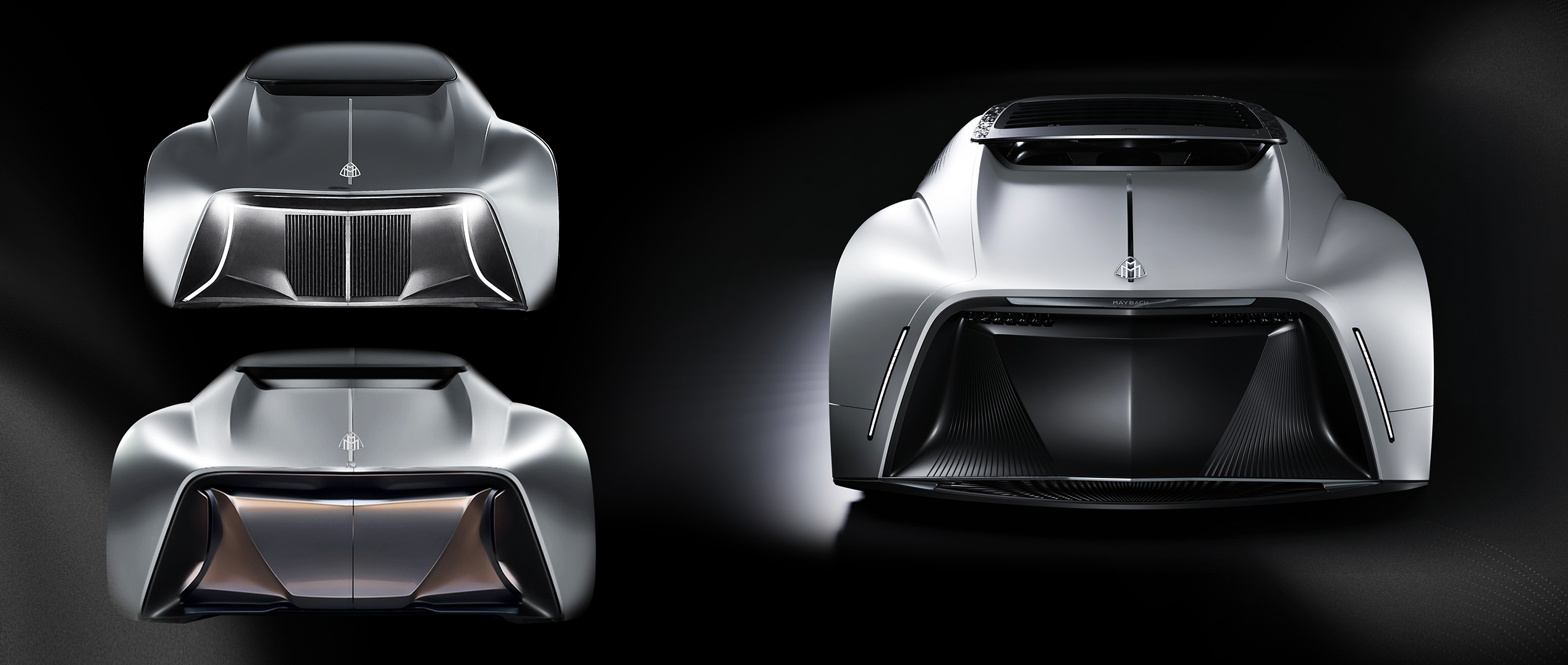
This project investigates how AI can be integrated into the early design process as a catalyst for creating a new Mercedes-Maybach form language. Instead of using AI to “finish” a design, I used it to expand visual thinking—cross-combining contemporary art, architecture, installations, and sculpture to generate abstract automotive cues that could be translated into real surfacing decisions. The objective was not to create a vehicle “inspired by” art in a superficial sense, but to extract a new design language from it. AI served as a generator of visual hypotheses—allowing me to fuse multiple art references, test variations, and isolate recurring formal rules.
No items found.
Research focus I. - Olafur Eliasson
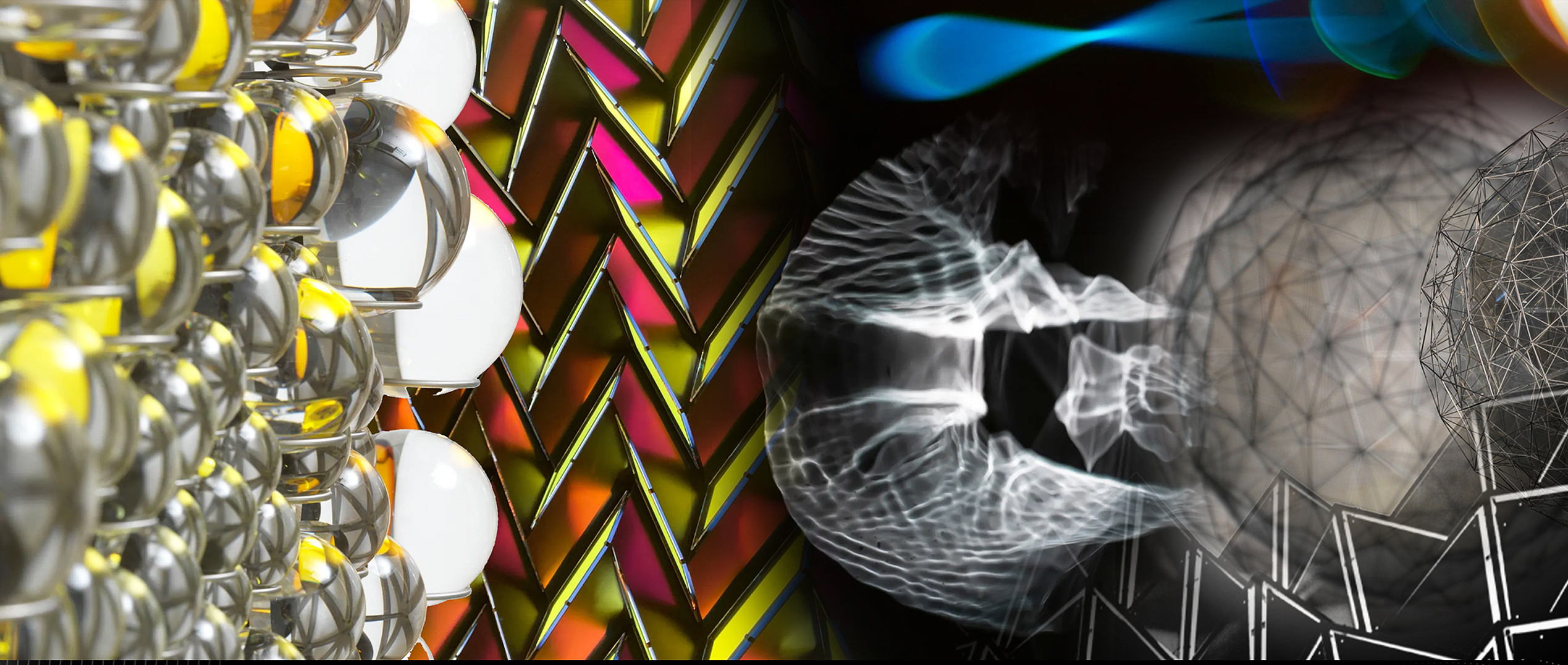
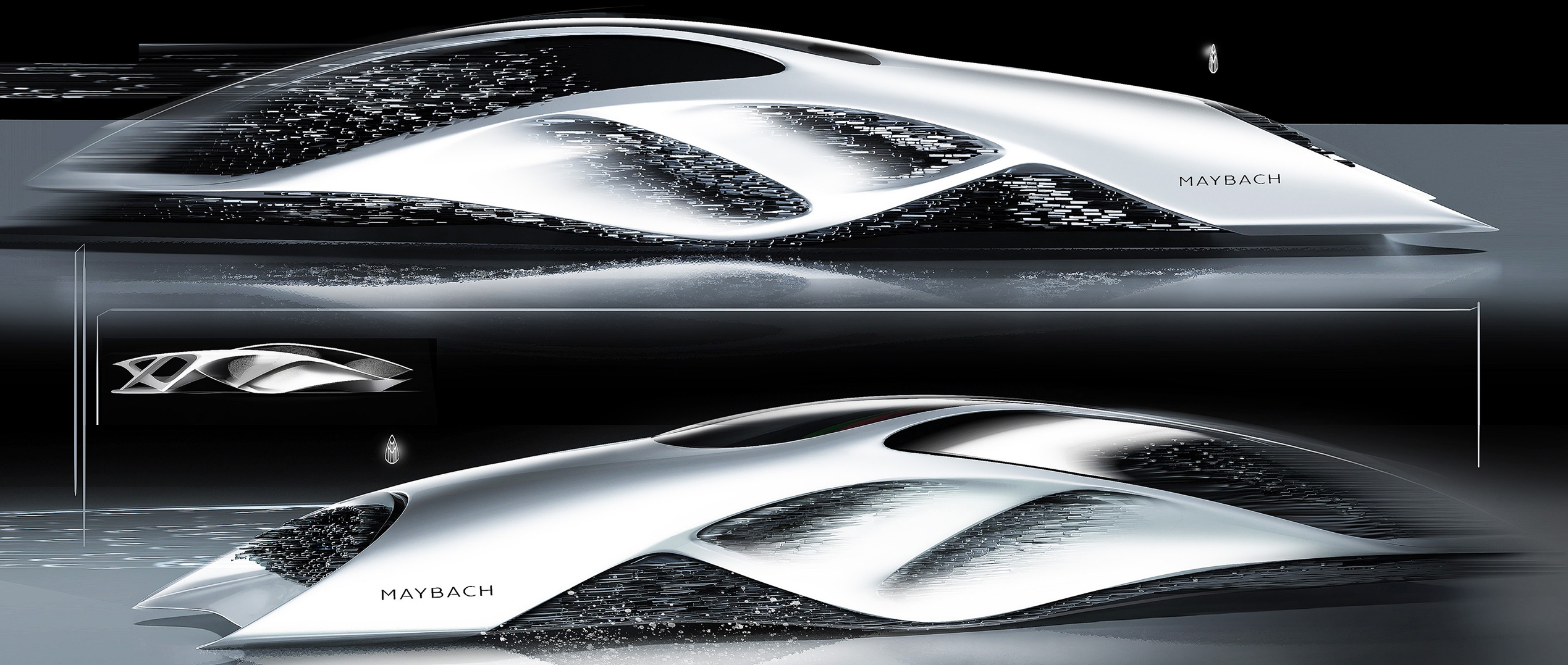
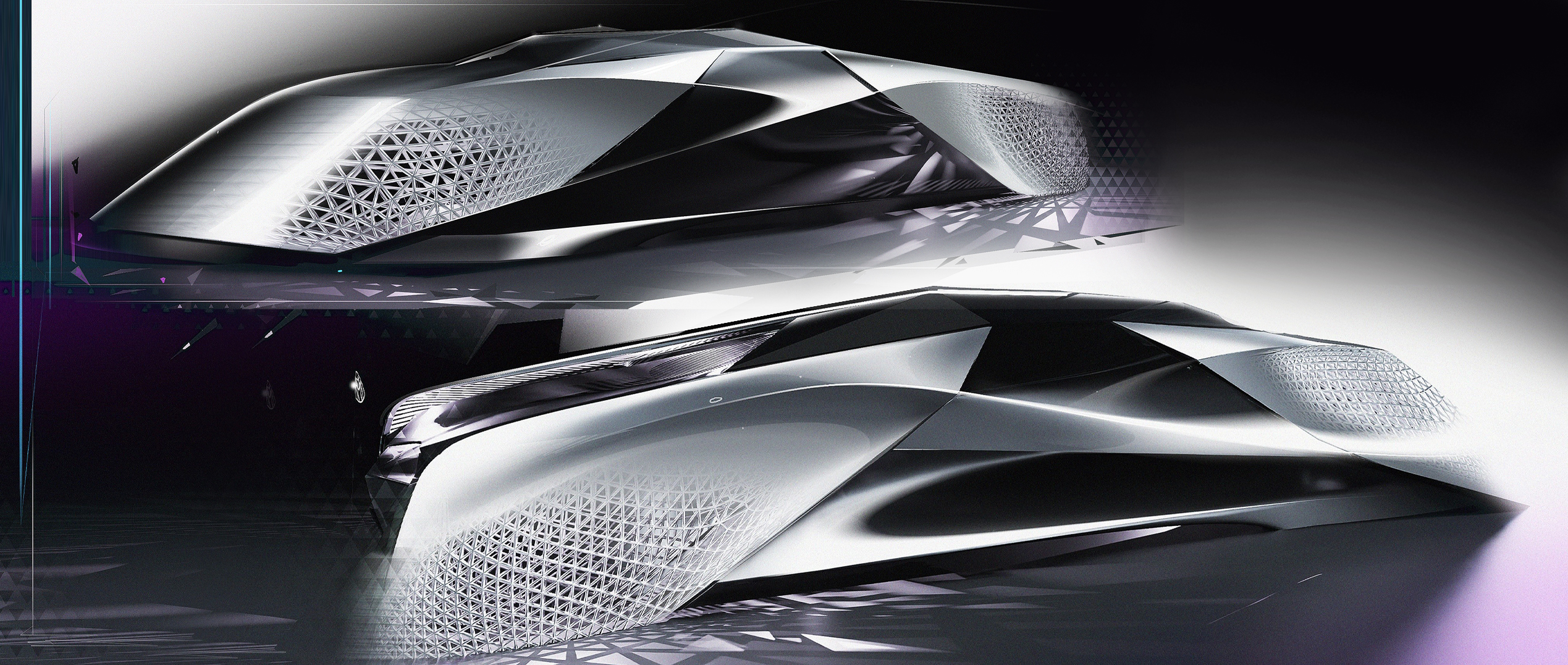
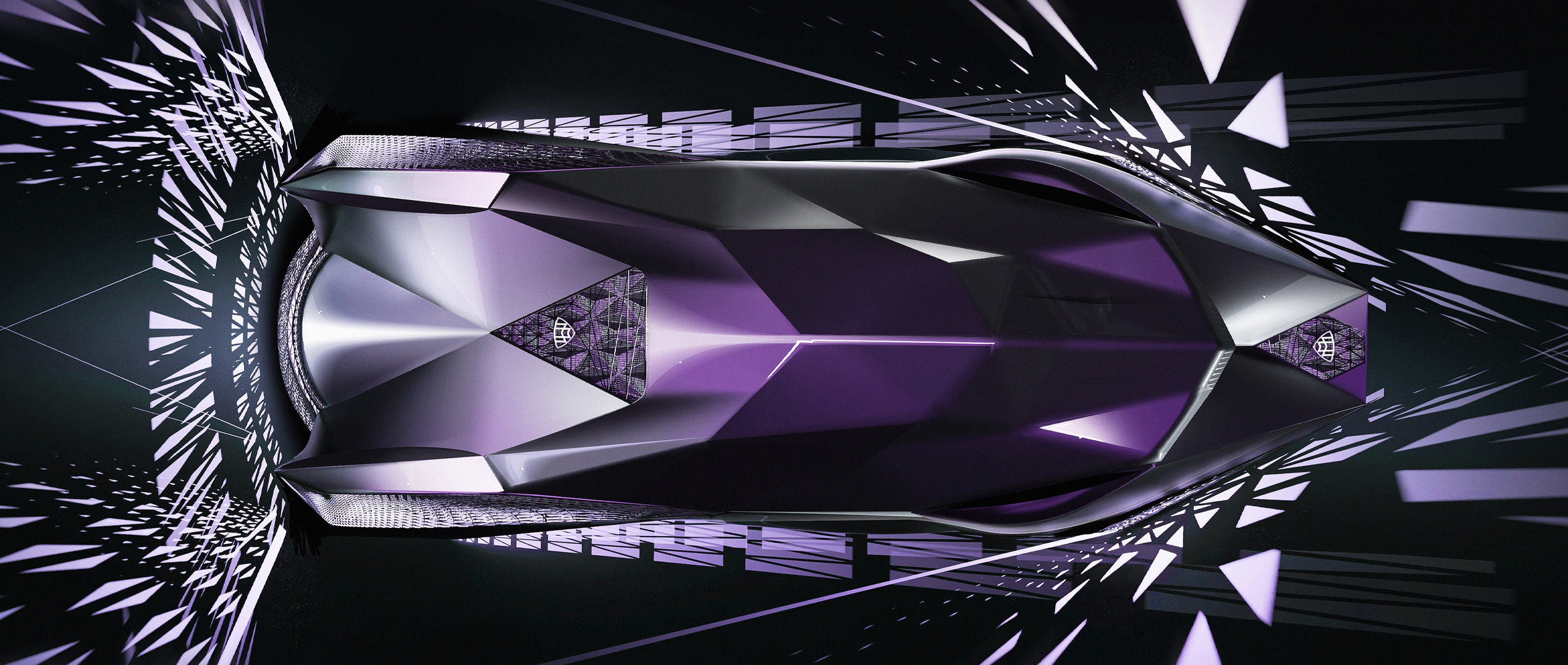
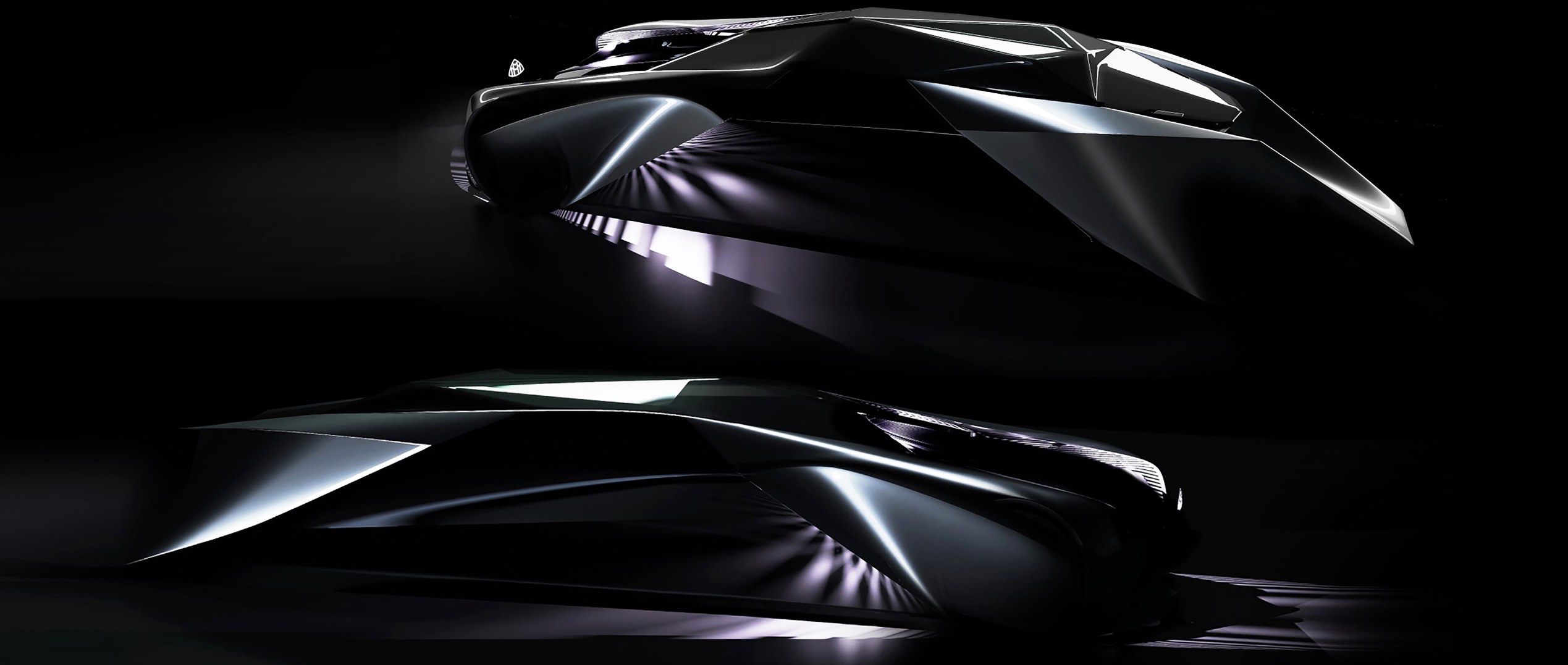
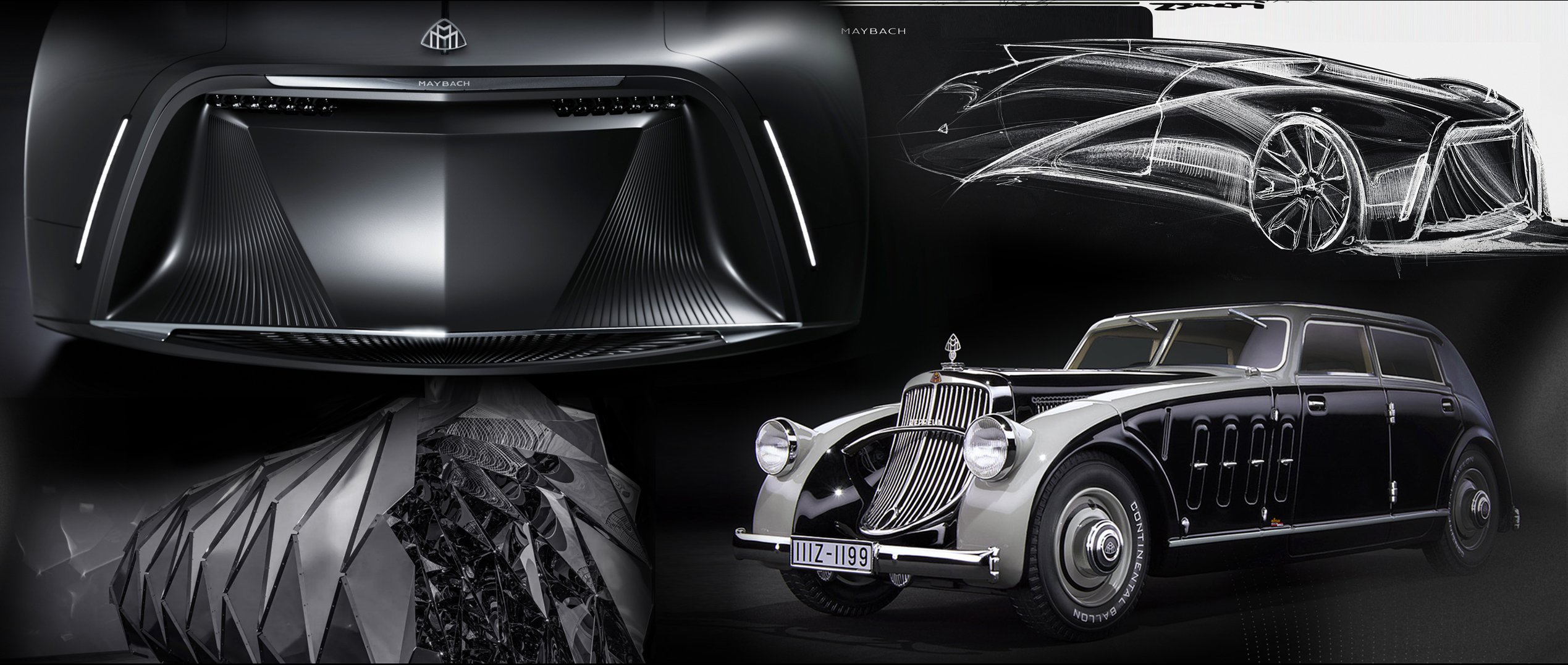
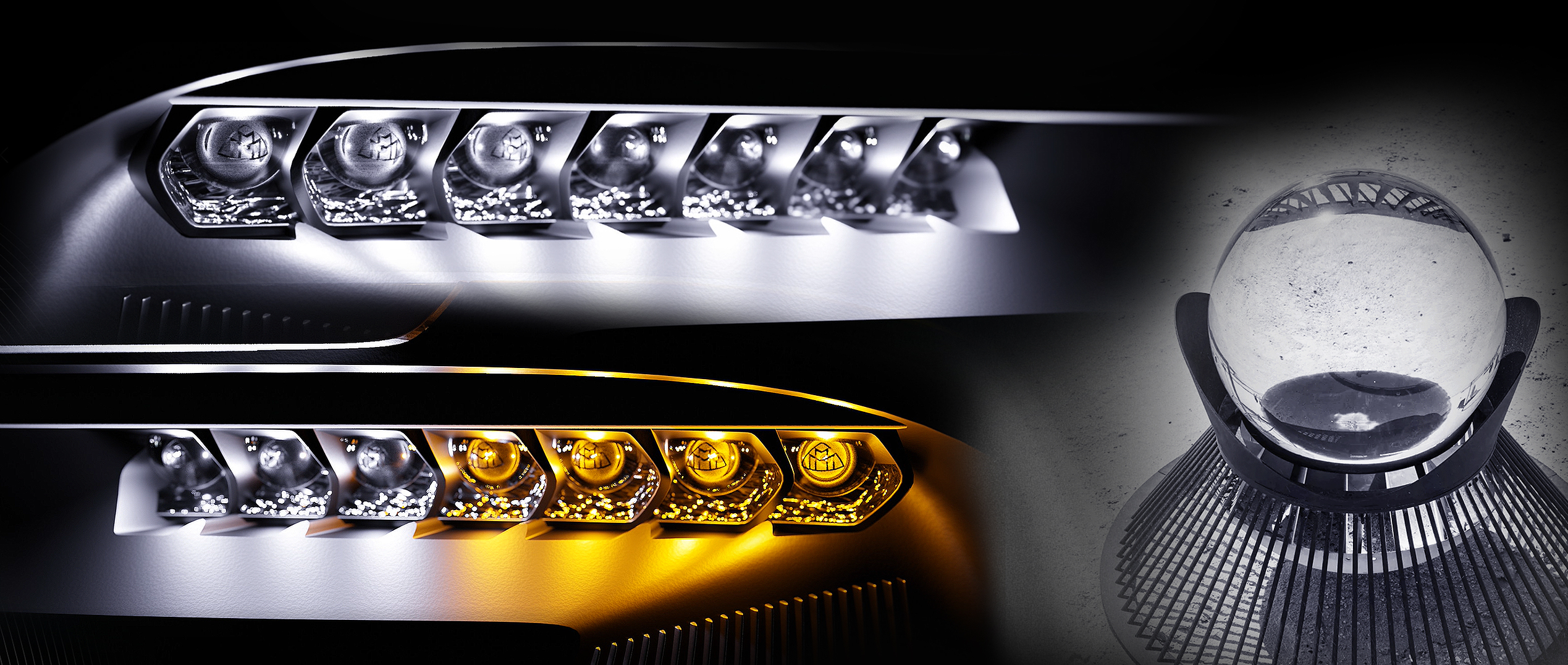
The project started with an abstract exploration phase: AI was used to cross-combine diverse art influences and produce raw, non-literal form studies. As the research converged, the final reference system was focused on Olafur Eliasson, because his work translates perception into form—light gradients, shadow control, reflections, and spatial illusion. These qualities created the strongest link to Maybach and supported a distinct, contemporary form language.
No items found.
Heritage anchor - Maybach & Concours
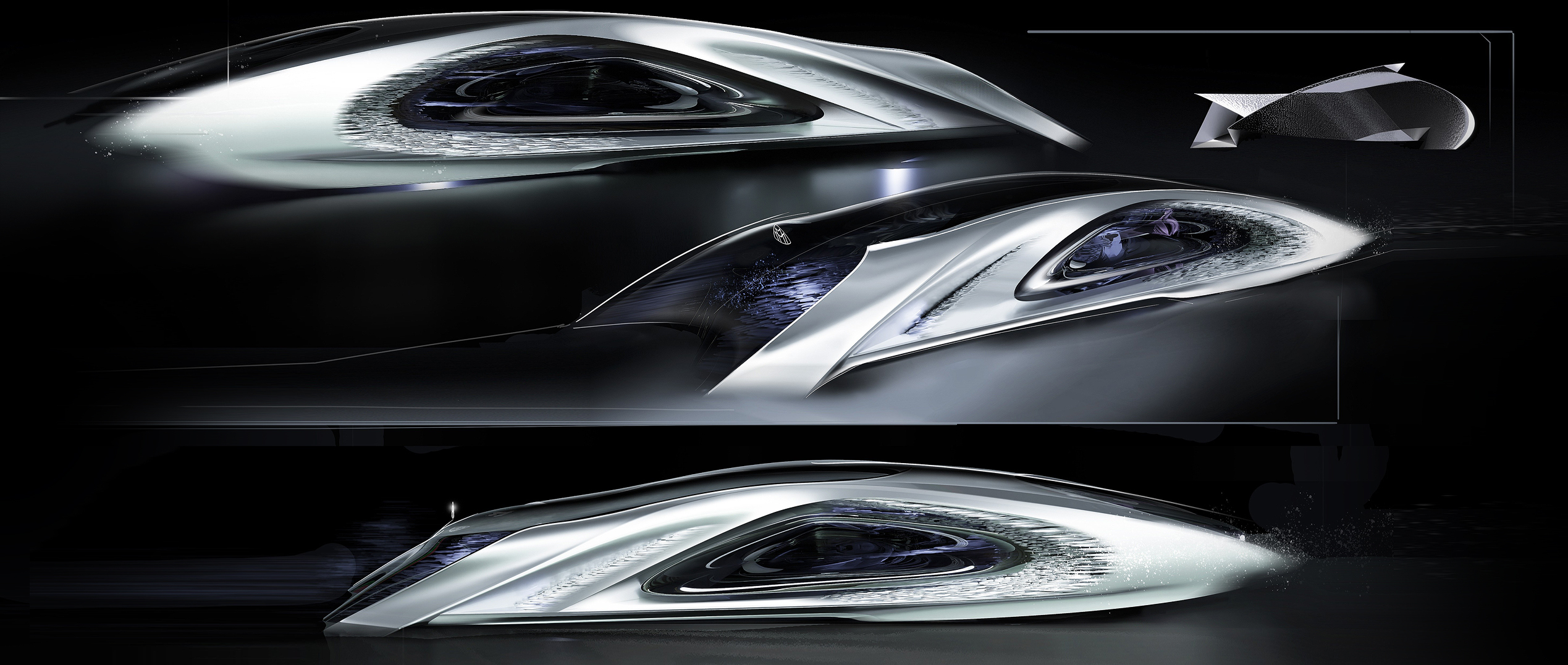
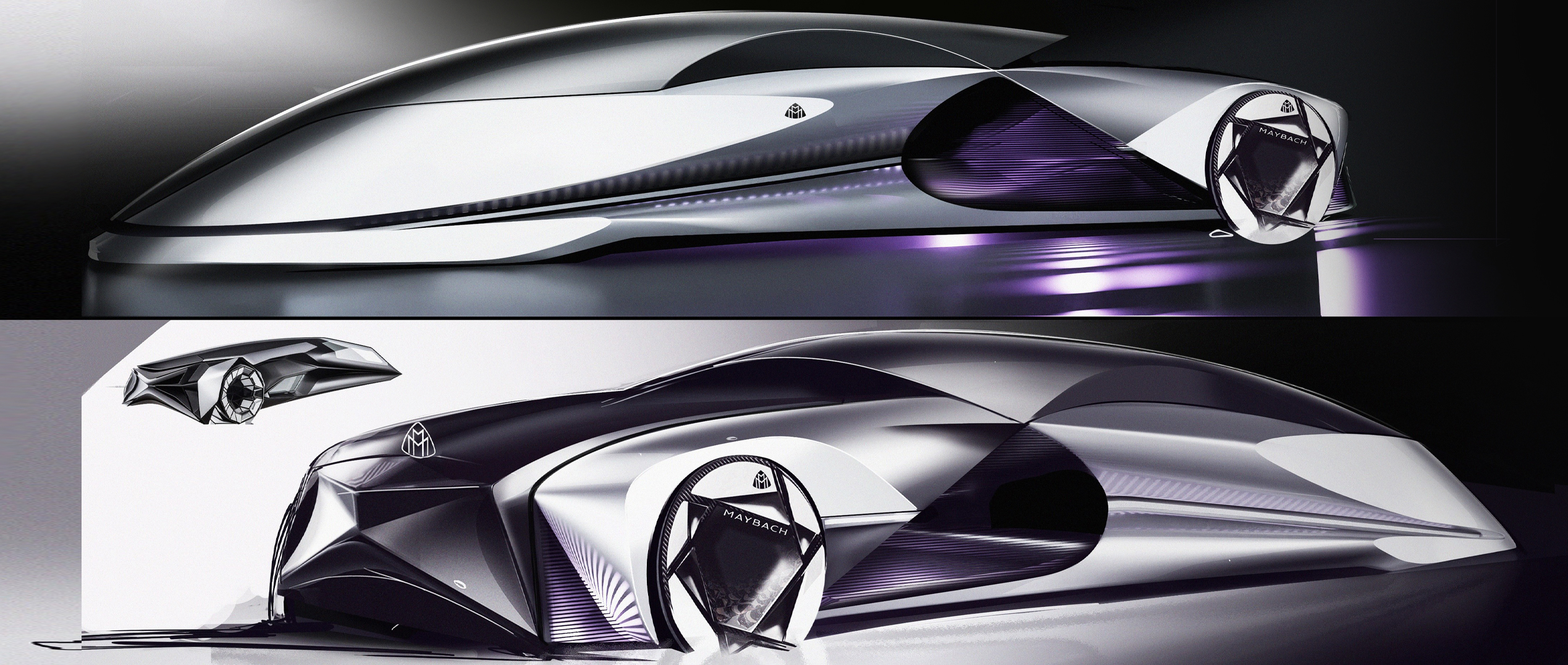
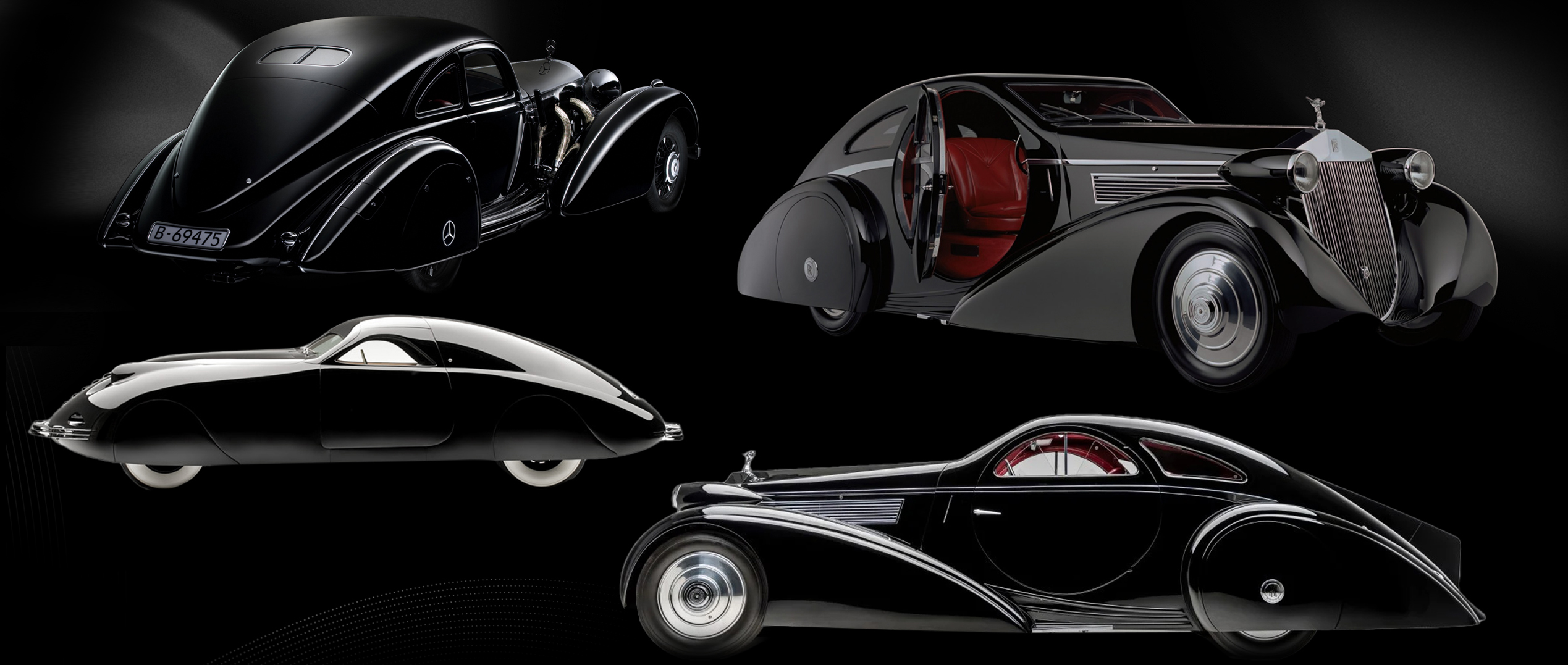
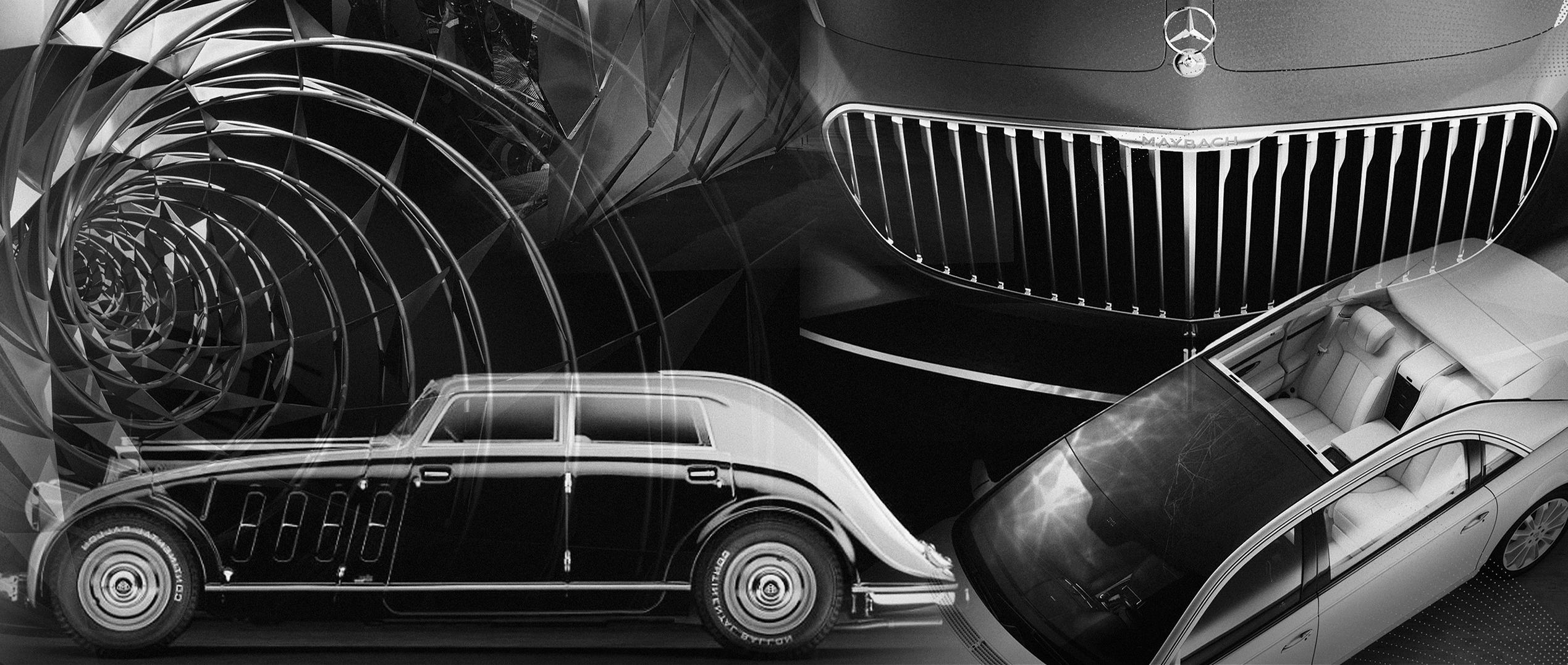
Alongside the experimental research, Maybach heritage acted as a structural reference. Concours d’Elegance vehicles informed the sense of presence: long, calm proportions, precise detailing, and controlled reflections. This anchor ensured the concept stayed unmistakably Maybach—while still allowing a new, contemporary form language to emerge.
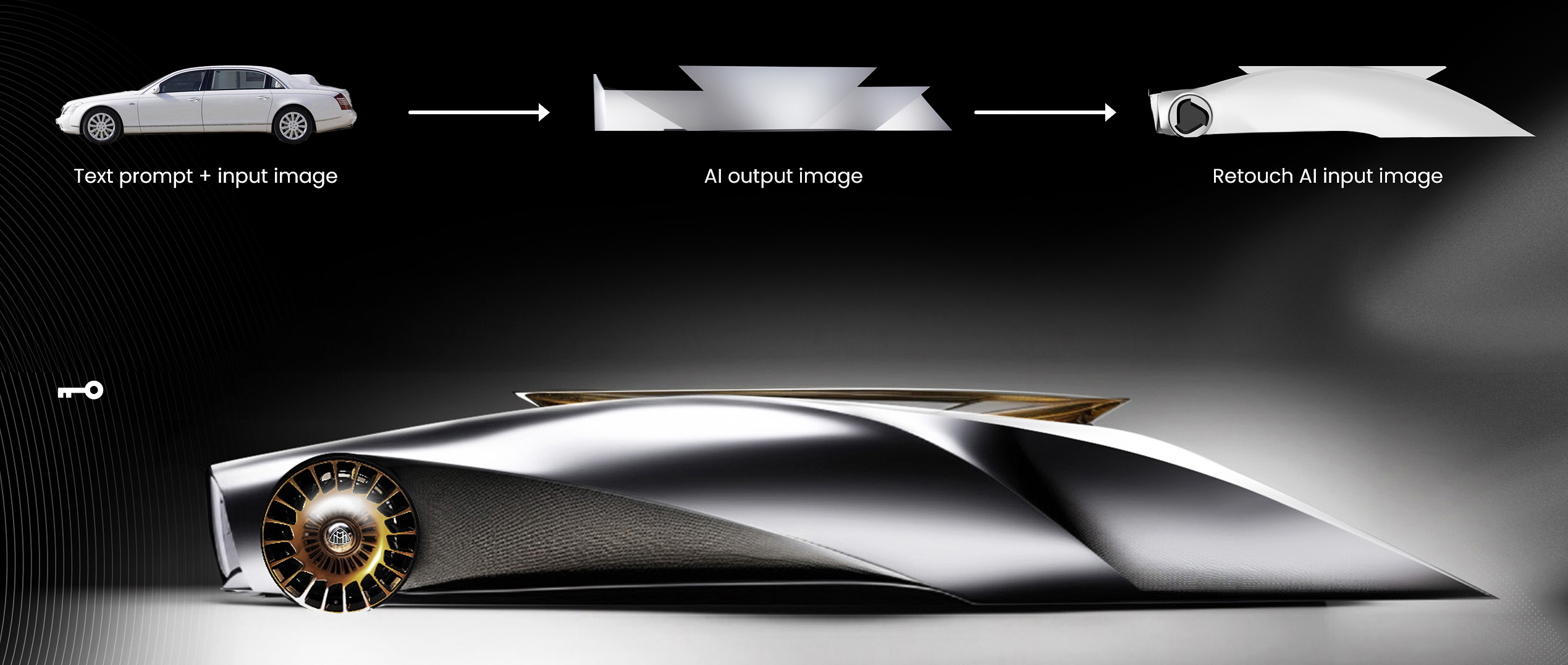
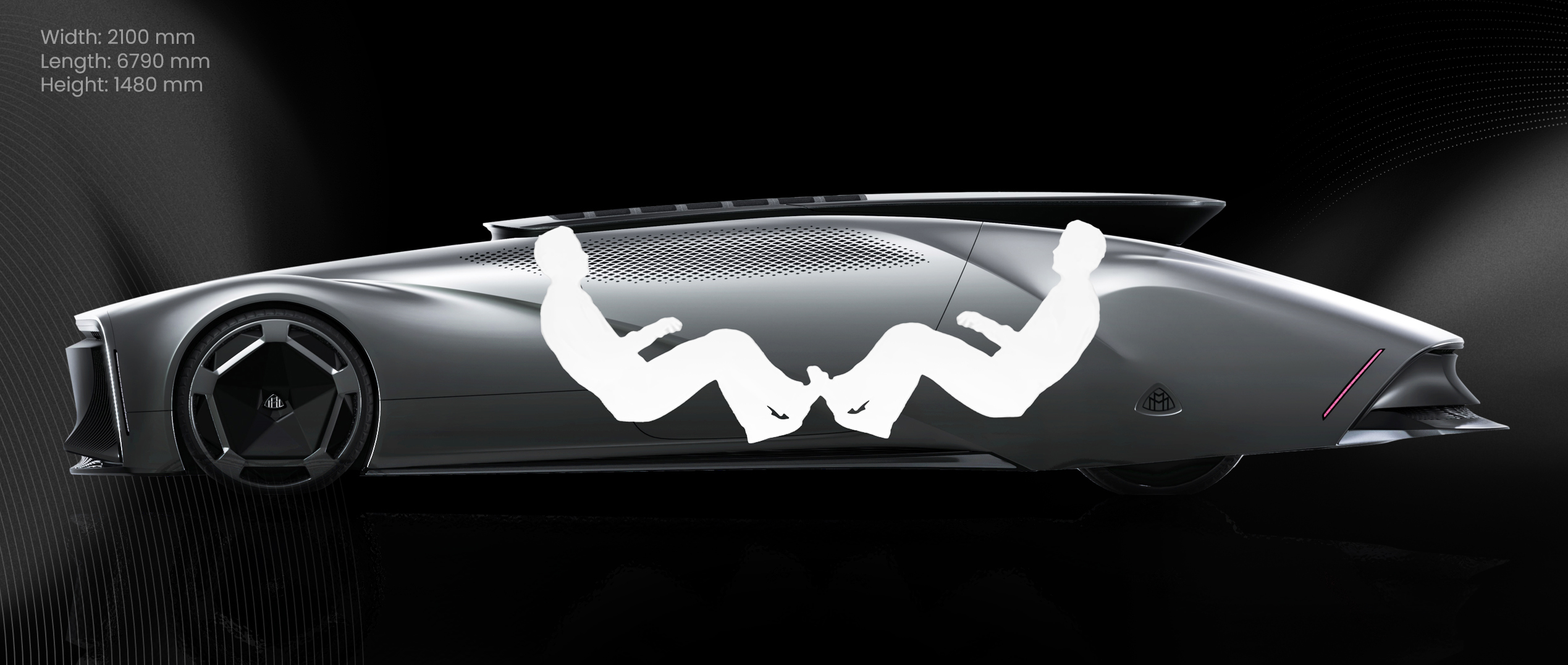
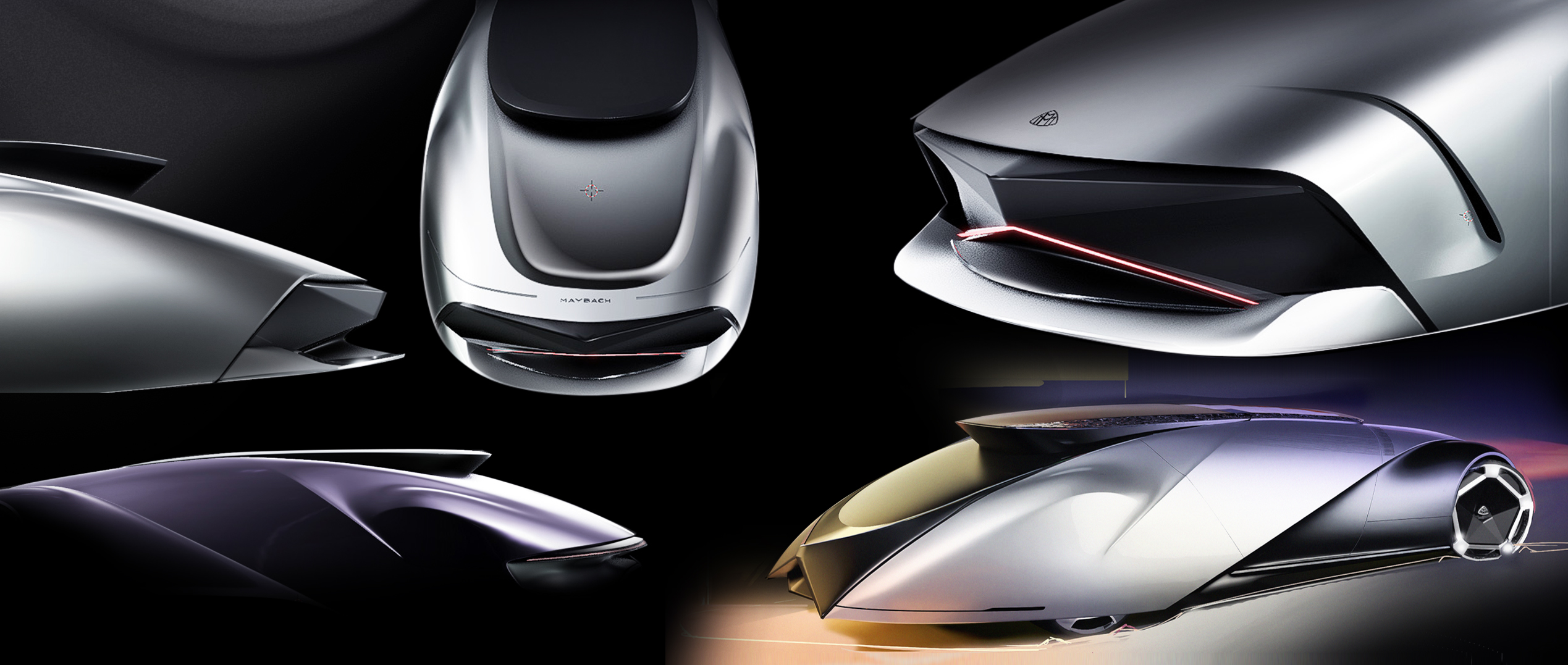
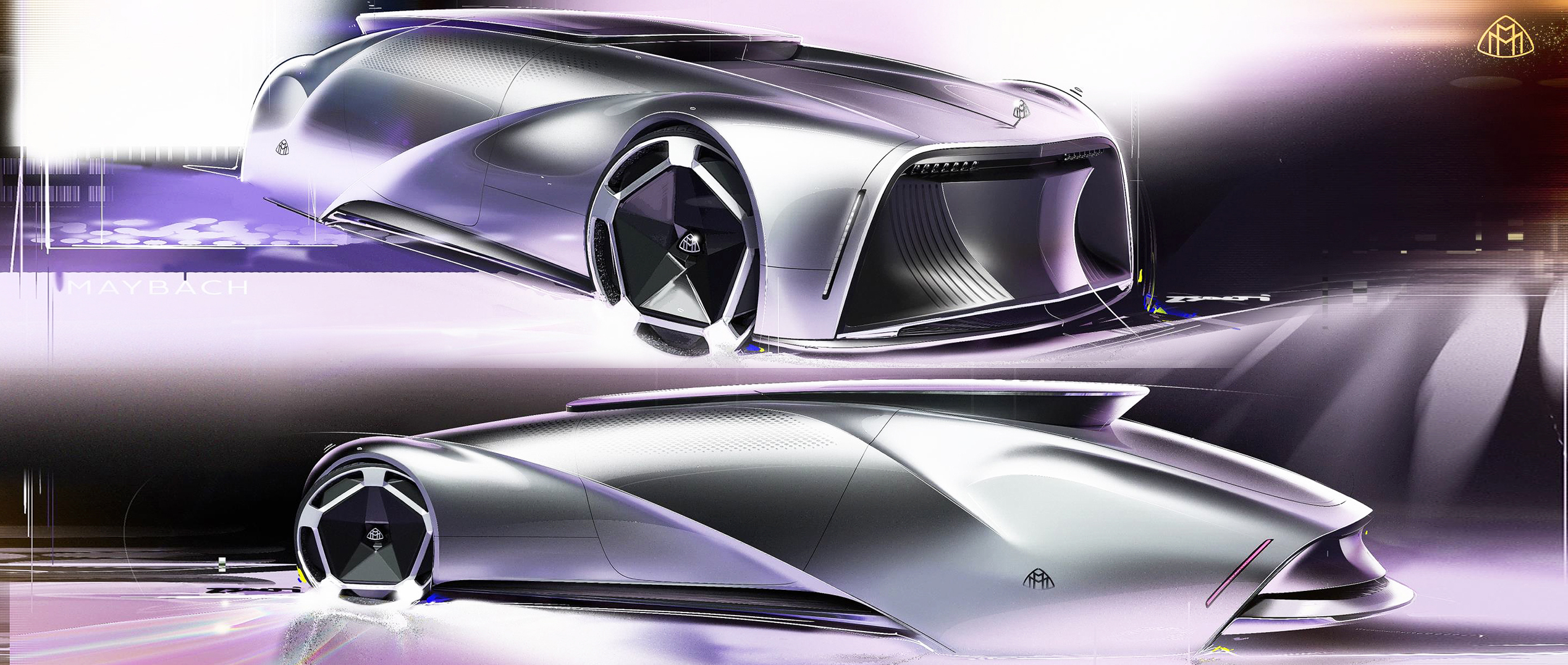
.jpg)
No items found.
Research focus II. - Additional studies
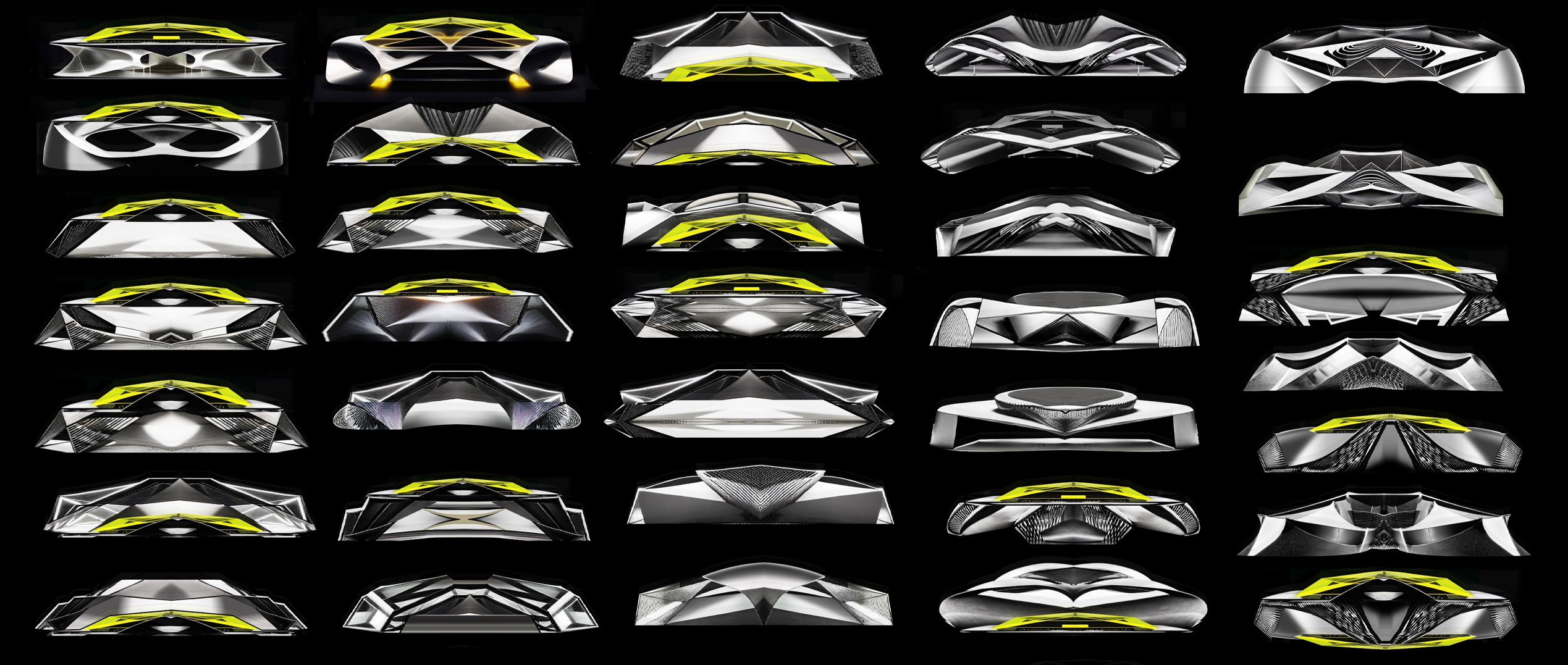
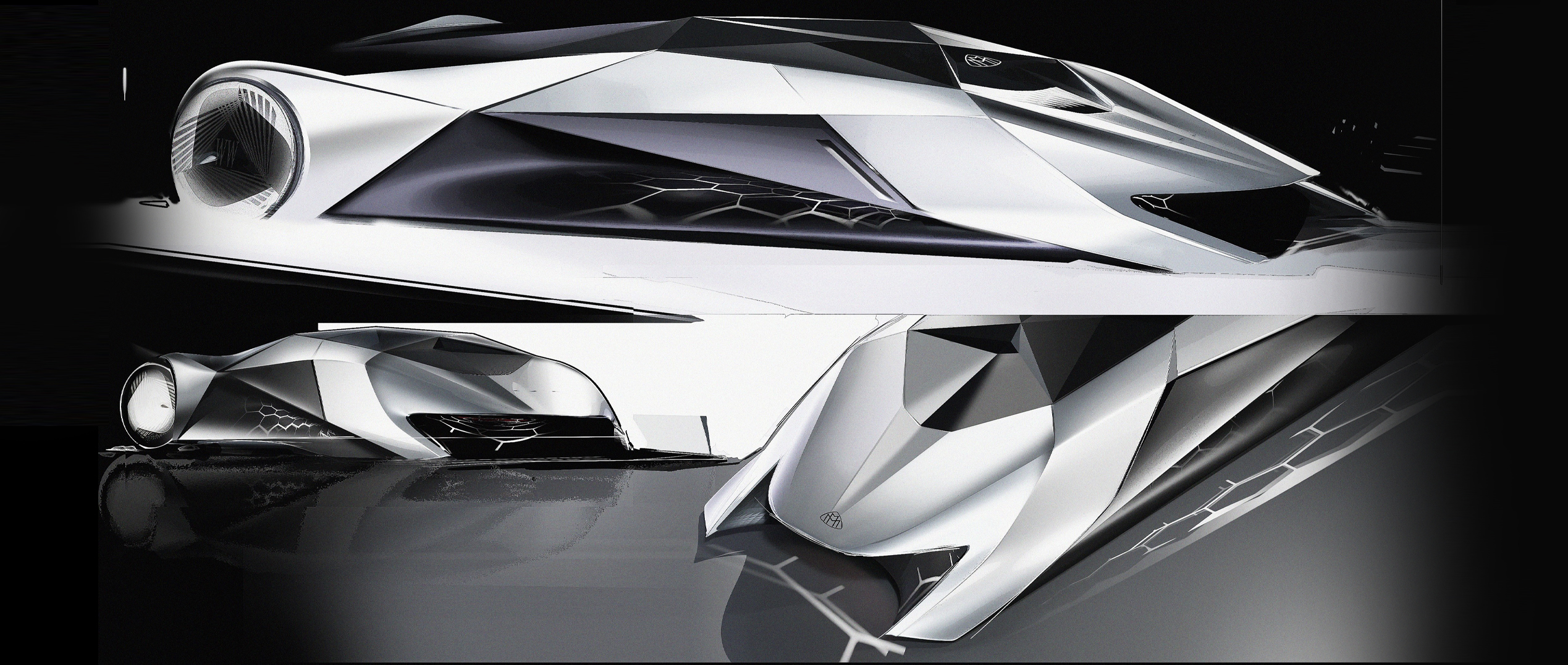
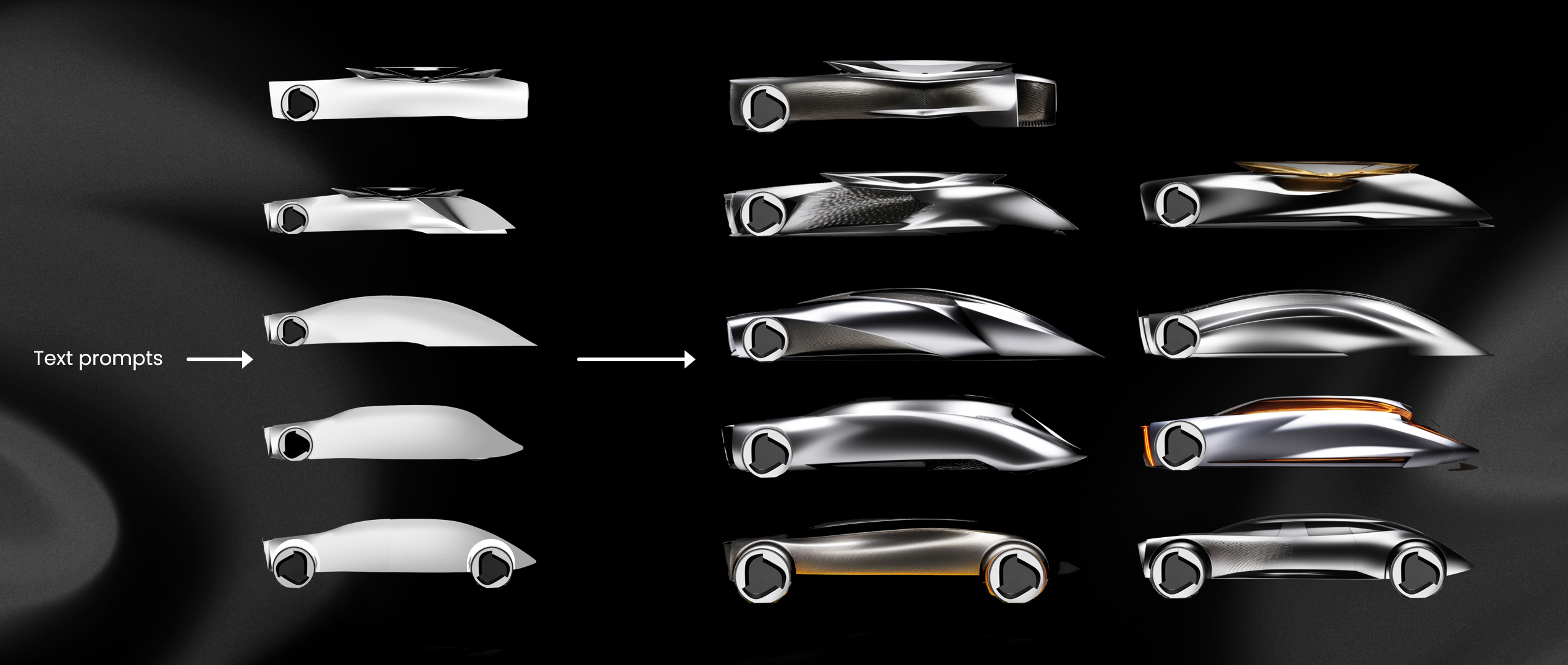
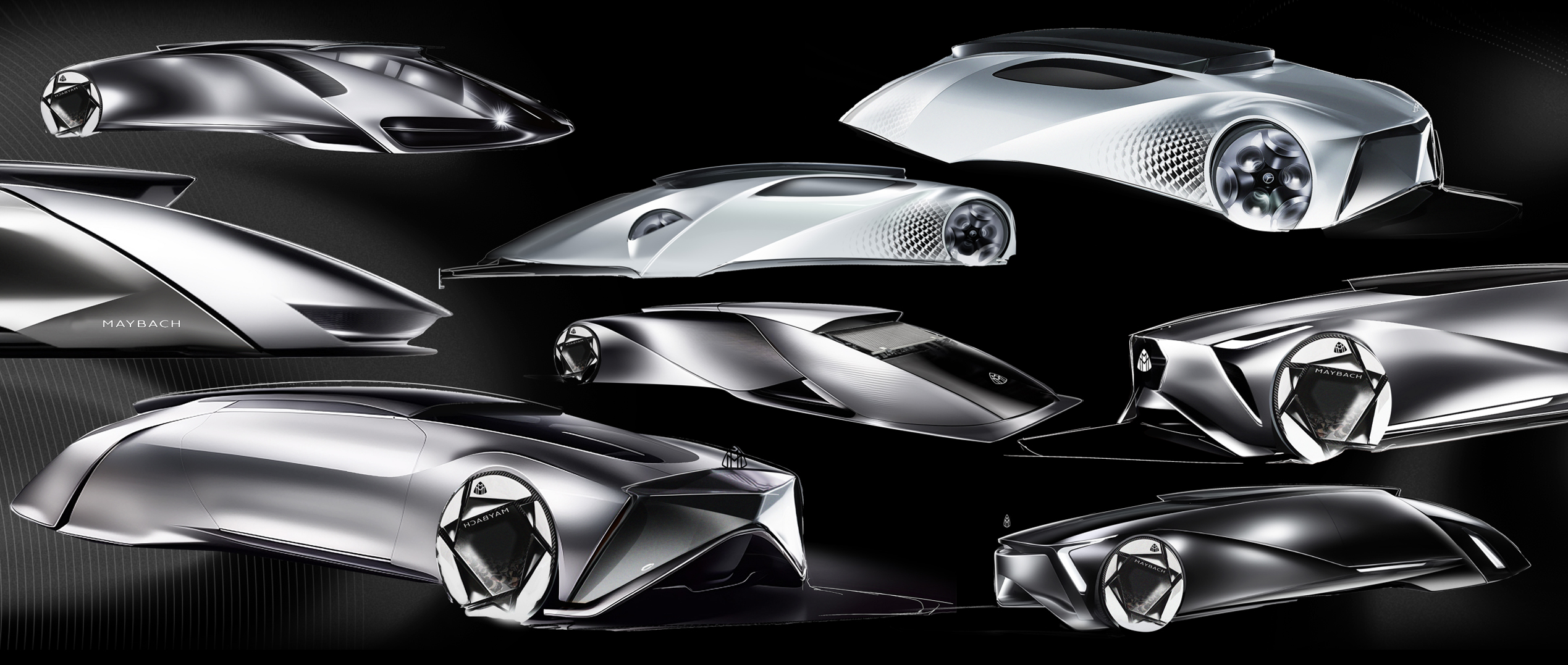
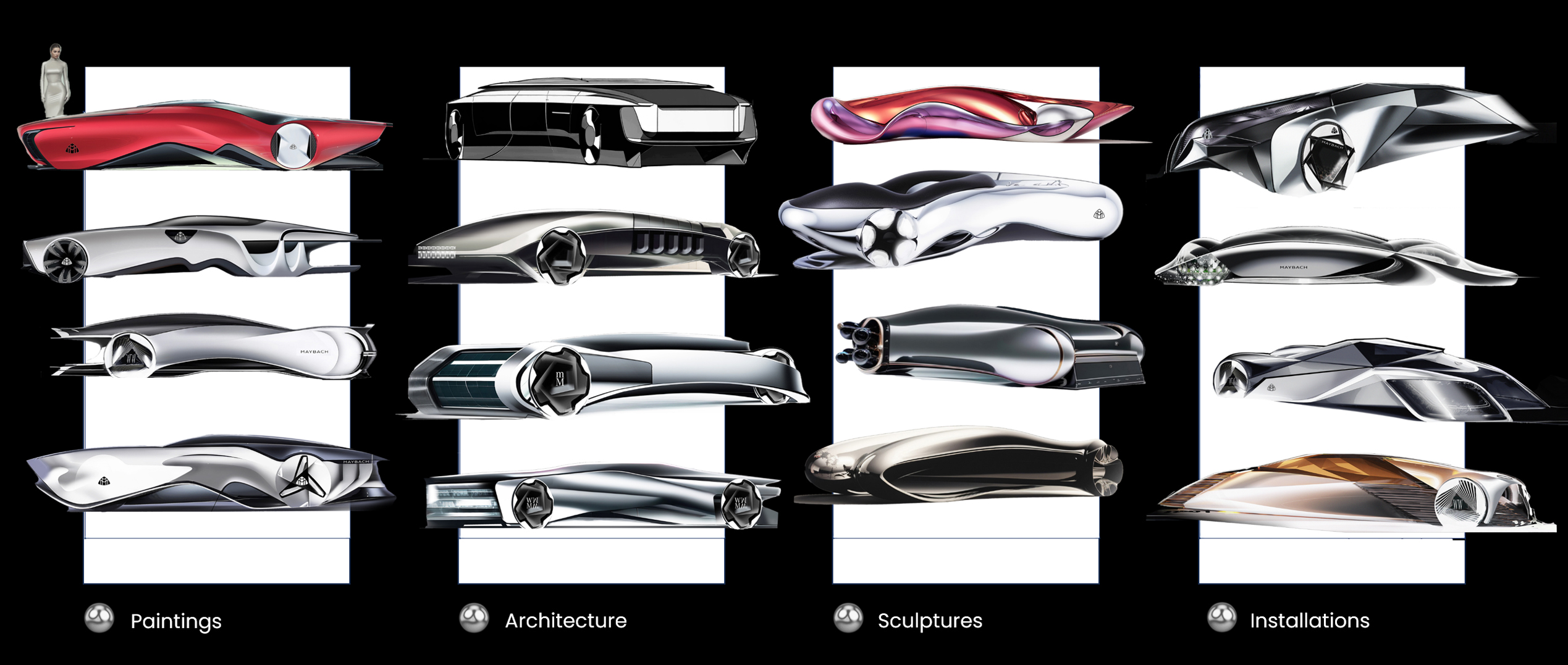
In parallel with installation-focused experiments, I used AI to generate abstract, art-influenced automotive compositions as a form-research tool. These outputs were treated as raw material—then filtered, edited, and translated into design-relevant cues through sketching and surfacing logic. Running multiple threads simultaneously helped map the design space, before the project ultimately converged on the Olafur Eliasson–driven direction as the final reference system. This section documents the broader exploration that informed the final language.
No items found.
Post-Project Extension (2025) — AI Model & Form-Language Validation
Although the diploma project concluded in 2024, I revisited it in 2025 as an independent continuation. Using the original digital 3D model as a foundation, I trained a Stable Diffusion model to regenerate the vehicle consistently and to cross-combine it with existing Mercedes vehicles. This served as a direct feedback loop: a practical test of how transferable and “Mercedes-compatible” the new form language is when pushed into real brand contexts.
No items found.
Conclusion — AI as Catalyst, Design as Author